How Does Salt Soften Water

Picture this: you move into a charming old house with perfect natural light—and water so hard it could arm-wrestle a diamond. Your shampoo refuses to lather, your glassware co...
Picture this: you move into a charming old house with perfect natural light—and water so hard it could arm-wrestle a diamond. Your shampoo refuses to lather, your glassware comes out of the dishwasher looking like a frosted donut, and your skin feels like you just bathed in chalk dust. Welcome to the world of hard water, where calcium and magnesium ions throw a permanent party in your pipes.
Enter sodium chloride—plain old table salt. But don’t sprinkle it on your steak; this salt has a superpower. It can trick those stubborn minerals into leaving your water alone, making it “soft” and lovable again. How? Through a sneaky process called ion exchange, which sounds like a shady back-alley deal between molecules.
The Soap Opera of Hard Water
Hard water is basically water that’s been on a mineral bender. It picks up calcium and magnesium as it travels through limestone and chalk deposits—like a drunk tourist hitting every pub on the block. These positively charged ions latch onto soap molecules, turning your suds into a sad, greasy scum.
Must Read
That’s why your hair feels like straw and your laundry comes out stiff enough to stand in a corner. Soft water, on the other hand, is the sober friend who actually helps you clean. And salt is the designated driver.
The Secret: A Tiny Resin Bead Nightclub
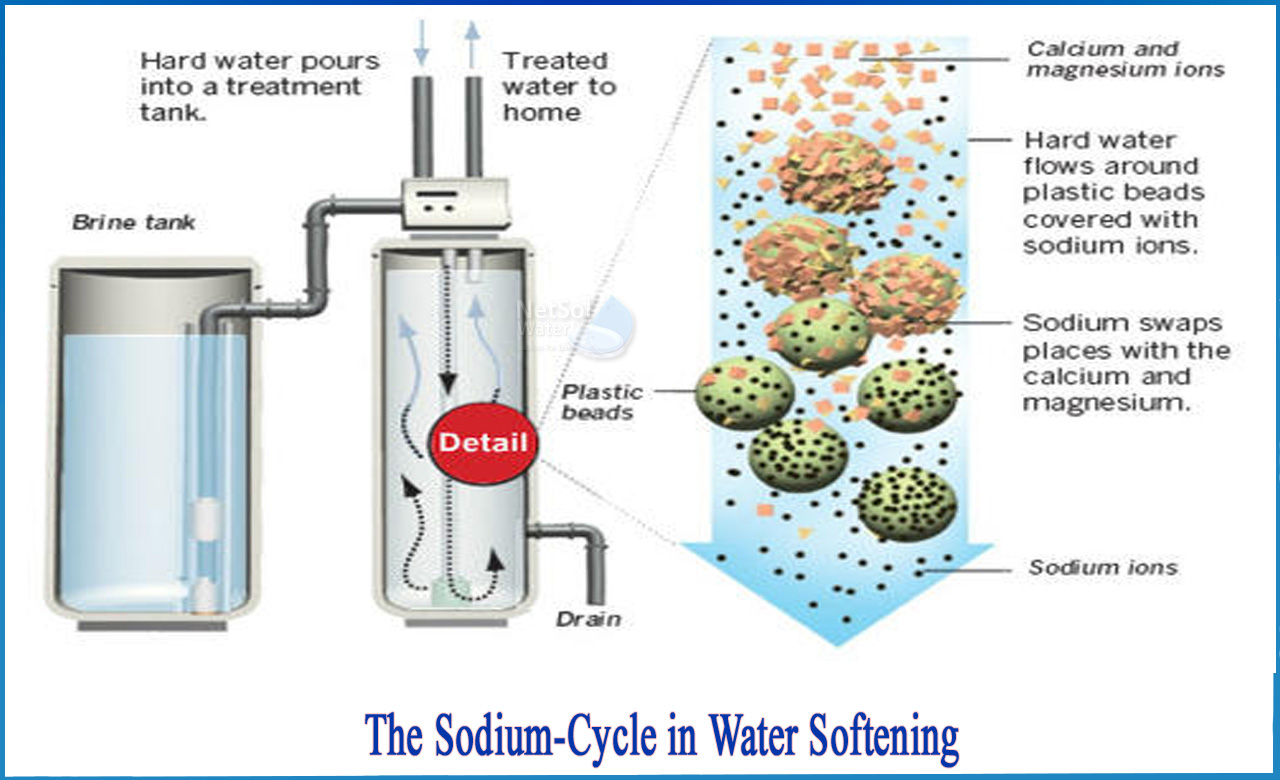
Inside your water softener is a tank filled with thousands of tiny resin beads—think of them as microscopic bouncers with attitude. These beads are coated in sodium ions, which are basically the friendly, pushover guests at the club. When hard water flows in, the calcium and magnesium ions—big, obnoxious partiers—try to muscle their way onto the beads.
Here’s the magic: the resin beads prefer the harder minerals over sodium. So they grab the calcium and magnesium, kicking the sodium ions out into the water. It’s like a molecular game of musical chairs, and your pipes win every time.
“But wait,” you say, “isn’t that just swapping one problem for another?” Not really. Sodium doesn’t cause scaling or soap scum, so your water suddenly becomes a cleaning superstar. Your dishes sparkle, your hair behaves, and your water heater sends you a thank-you note.
 Dissolving Salt In Water Is A Physical Change
The Salty Recharge—Because Even Bouncers Need a Nap
Eventually, those resin beads get completely covered in calcium and magnesium, like a bouncer buried under a pile of drunk fans. They can’t swap anymore, so your softener throws a regeneration party. This is where that big bag of salt in your basement earns its keep.
A brine solution—super-concentrated salt water—flushes through the resin beads. The sheer volume of sodium ions overwhelms the beads, forcing them to let go of the calcium and magnesium and re-stick to the sodium. It’s a molecular hostage negotiation, and the salt always wins.
That mineral-laced brine then gets flushed down the drain, and your beads wake up fresh and ready to bouncer again. You don’t drink this salty water, by the way—it’s all inside the softener’s secret cycle. Your tap water gets only a tiny, virtually undetectable boost in sodium.
Surprising Fact: Can You Taste the Salt?
Here’s the kicker: the amount of sodium added to soft water is so small, most people can’t taste it. For a glass of soft water, you’re getting about as much sodium as a slice of plain white bread—roughly 20 to 30 milligrams. That’s nothing compared to a pickle, which packs 1,200 milligrams of face-puckering saltiness.
Still, if you’re on a strict low-sodium diet, you might want to install a reverse osmosis system for your drinking tap. Or just buy a Brita filter and let the softener do its thing for your pipes and laundry. Your houseplants? They actually prefer hard water, because they’re weird like that.
 PPT - Solutions PowerPoint Presentation, free download - ID:4501821
Why Your Grandma’s Water Softener Tasted Like the Ocean
Old-school water softeners from the 1960s were basically salt cannons. They’d dump so much sodium into the water that you could practically brine a turkey just by turning on the faucet. Modern softeners are smarter, using demand-initiated regeneration—they only recharge when the beads are actually tired.
That’s why today’s soft water tastes clean, not like you’re gargling with Atlantic seawater. Unless you have a faulty unit, in which case, congratulations—you’ve invented a new cocktail ingredient.
One More Weird Truth: Salt Doesn’t “Melt” the Minerals
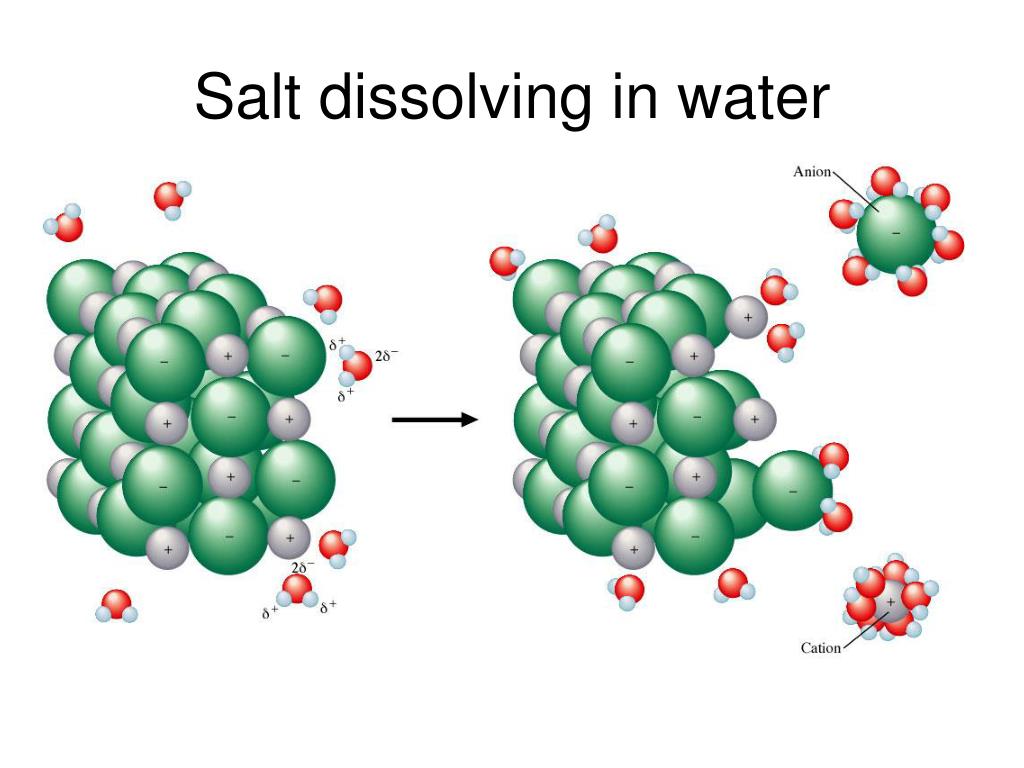
Pop quiz: does salt physically dissolve the calcium like a magic eraser? Nope. It never touches the minerals directly. The salt simply powers the resin beads to trade ions—it’s all chemistry, no fairy dust. But honestly, watching a water softener work is about as thrilling as watching paint dry, so just trust the process.
And here’s a final mind-bender: you know what’s even better than salt at softening water? Lemon juice can do it in a pinch, but your pipes will smell like a sad cocktail. Salt is the king because it’s cheap, stable, and doesn’t make your entire plumbing system smell like a dive bar.
So next time you pour that bag of white crystals into your softener, give it a salute. It’s not seasoning your water—it’s running a covert operation to evict mineral squatters, one ion at a time. Your slippery, squeaky-clean hair thanks you.
