How Much Ozone Is Safe

So, you want to know how much ozone is safe? Buckle up, because this little molecule is a classic case of “good news, bad news.” It’s like that friend who’s a blast at a party...
So, you want to know how much ozone is safe? Buckle up, because this little molecule is a classic case of “good news, bad news.” It’s like that friend who’s a blast at a party but a total disaster when they crash on your couch for a week.
Up in the stratosphere, ozone is our hero. It’s the sunblock for planet Earth, blocking the nasty ultraviolet rays that give us sunburns and wrinkles. Down here at ground level, though? Ozone is the villain—a lung-irritating gas that’s about as welcome as a mosquito at a barbecue.
The Ozone You Actually Breathe (The Bad Kind)
We’re talking about tropospheric ozone—the stuff created when car exhaust and industrial fumes cook in the hot sun. Think of it as a chemical soup left out in the summer heat.
Must Read
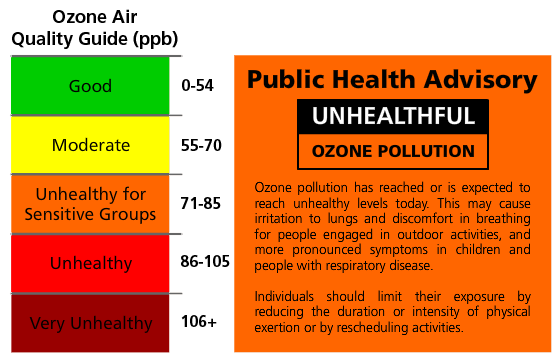
So, how much of this ground-level ozone is safe? The short answer: very, very little. The U.S. Environmental Protection Agency (EPA) sets the safe limit at 0.070 parts per million (ppm) over an 8-hour period.
That number is so tiny it’s like finding one specific grain of sand on a beach. Go over that, and your lungs start sending you angry text messages.
What Happens When You Breathe Too Much?
First, your throat might feel scratchy. Then your chest gets tight, like you just tried to run a marathon after eating a whole pizza. Fun, right?
Ozone is basically a chemical Pac-Man that munches on the lining of your lungs. It inflames your airways, triggers coughing, and makes asthma go from “manageable” to “call an ambulance.”
Even if you’re a gym rat, too much ozone can mess with your workout. It reduces lung function, meaning you’ll be huffing and puffing after one flight of stairs. Not a great look.
But Wait—Isn’t Ozone Good Sometimes?
Yes! That’s the confusing part. The ozone layer in the upper atmosphere (about 10 to 30 miles up) is our shield. Without it, we’d all look like lobsters after five minutes in the sun.
Down here, however, ozone is also used for sterilization. You know that “fresh after a thunderstorm” smell? That’s ozone. Some air purifiers even use it to zap mold and bacteria.
But here’s the kicker: you still don’t want to breathe it in. Ozone-generating air purifiers? They’re like inviting a dragon to your house to kill a spider. Sure, the spider is gone, but now your living room is on fire.
The “Safe” Level for Your Home
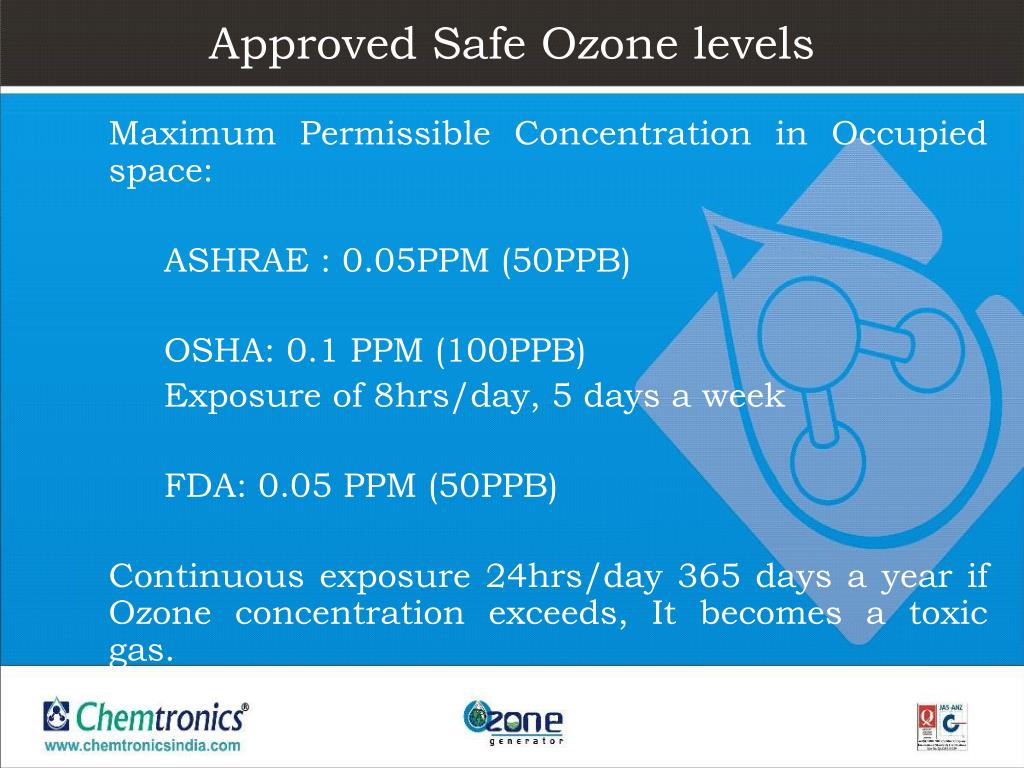
For indoor air, the experts say: zero is best. Seriously. If you’re using an ozone generator, you’re supposed to leave the room (or the house) while it runs.
 Flexi answers - When are ozones most harmful? | CK-12 Foundation
The FDA says ozone levels in medical devices should not exceed 0.05 ppm. But for everyday breathing? Aim for below 0.060 ppm. That’s basically Mother Nature’s version of a polite “no, thank you.”
How do you know your level? Check your local Air Quality Index (AQI). If the ozone number is orange or red, stay inside. Close the windows. Binge-watch your favorite show. You’re being responsible, not lazy.
Who’s at Risk? (Spoiler: Basically Everyone)
Kids, seniors, and people with lung diseases are the most vulnerable. But even Olympic athletes have slower times on high-ozone days. Yes, it slows down gold medalists.
Pregnant people should also be careful. Studies show that high ozone exposure might be linked to lower birth weights. That’s a big deal for a tiny human.
And no, you can’t “build a tolerance.” That’s a myth. Your lungs don’t get tougher—they just get more pissed off. Think of it like a sunburn for your insides.
How to Protect Yourself (Without Living in a Bubble)
First, check the AQI before planning outdoor activities. If the ozone number is high, exercise early in the morning or late in the evening when the sun is less intense.
Second, don’t mow the lawn on hot, sunny afternoons. Gas-powered mowers are ozone-making machines. Let the grass grow a little—it’s rustic.
Third, if you’re in a city during a heatwave, wear a mask. A simple N95 can filter out ozone precursors (like nitrogen oxides) and help keep your lungs happy.
Can You “Feel” Safe Ozone Levels?
Not really. Ozone is invisible and doesn’t have a strong smell at low levels. By the time you taste that metallic, chlorine-like flavor, you’ve probably already had too much.
 PPT - Innovative Indoor Air Quality Solutions by Chemtronics
Your body is smarter than you think, though. If you start coughing or feel chest tightness while outside, listen to it. Go inside. Sip some water. Apologize to your lungs for the trauma.
The “safe” amount of ozone is basically the amount you’d find in clean, remote air—like at the top of a mountain or in the middle of the ocean. Ah, vacation air.
The One Exception: Medical Ozone Therapy
Some clinics use ozone to treat wounds or infections. This is a highly controlled process done by professionals. They’re not pumping it into a room—they’re applying it directly to a body part.
Do not try this at home. Seriously. Put down the ozone generator. You are not a doctor. You are a person who probably just wants clean air, not a medical experiment.
The Uplifting Conclusion (I Promise)
Here’s the good news: ozone levels are measurable and avoidable. You’re not helpless against this invisible goblin.
By checking the AQI, staying inside on smoggy days, and not buying homemade ozone machines off the internet, you can keep your lungs pink and healthy. Your lungs will thank you with every breath.
And remember, the ozone layer above us is still healing. Thanks to the Montreal Protocol (a global agreement to ban ozone-eating chemicals), the hole is slowly closing. Humanity did a good thing!
So let’s celebrate that—by taking a deep breath of safe, clean air. Maybe go for a walk in the woods, where the ozone level is just right: a big, fat zero. And if you smell that thunderstorm scent? Enjoy it from inside your cozy, ozone-free home. You’ve earned it.
Stay safe, breathe easy, and remember: Too much of a good thing is still too much. Unless we’re talking about pizza. That’s different.
