How To Remove Uranium From Drinking Water

Picture this: my friend Karen, a super crunchy granola type, calls me up in a panic. She’d just tested her well water and found uranium—yes, the radioactive stuff—at three tim...

Picture this: my friend Karen, a super crunchy granola type, calls me up in a panic. She’d just tested her well water and found uranium—yes, the radioactive stuff—at three times the EPA limit. She was ready to move to a yurt in Vermont.
I had to break it to her: uranium in drinking water isn’t a sci-fi plot. It’s a real, if weirdly common, issue in areas with granite bedrock or old mining runoff. But calm down, Karen, because removing it is actually pretty straightforward.
The "Wait, Is My Water Glowing?" Reality Check
First, let’s get real: the uranium in your tap water isn’t the bomb-grade kind. It’s a naturally occurring heavy metal that’s chemically toxic, not just radioactive. Your kidneys hate it more than your Geiger counter does.
Must Read
Most home tests won’t catch it unless you specifically ask for a radionuclide panel. If your water comes from a private well in Colorado, New Mexico, or the Midwest, just assume you should check—especially if you’re into that "rustic" lifestyle (read: digging your own well).
Boiling Won’t Save You (Sorry)
Here’s where irony kicks in: if you boil your water, you’re actually concentrating the uranium. The water evaporates, but the metal stays behind, making your tea slightly more toxic. Not the vibe you want with your morning brew.
So step one: don’t boil. Step two: thank the cosmos that we have modern filtration options that don’t require a hazmat suit.
The Heavy Lifter: Reverse Osmosis (RO)
If you want uranium gone—like, 99% gone—a reverse osmosis system is your new best friend. It forces water through a semi-permeable membrane that’s stingy enough to block uranium ions. Yes, it wastes a bit of water (typically 3-4 gallons for every gallon filtered), but that’s a small price for kidney safety.
Pro tip: get a system with a carbon pre-filter to catch sediment and chlorine, because the membrane is a diva and hates debris. Also, install it at your kitchen sink only—you don’t need to de-uranium your toilet flushes.
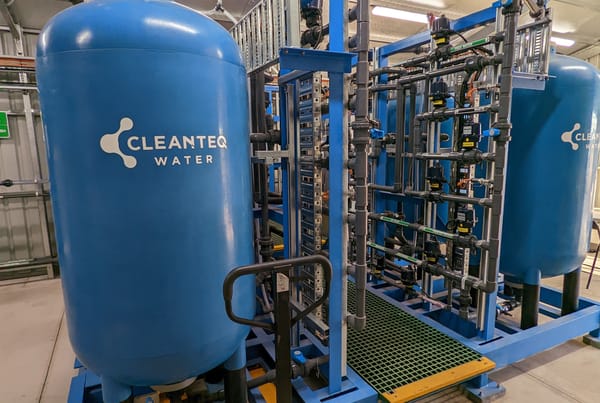 Efficient Uranium Removal From Water | Clean TeQ Water
The Underdog: Anion Exchange
For those who want to filter more water without the waste of RO, an anion exchange system is the sneaky champion. It swaps uranium ions for harmless chloride ions (like a chemical game of musical chairs). These systems are great for whole-house setups, but they need regular regeneration with salt—meaning you’ll be lugging bags of rock salt like a medieval castle cook.
One catch: if your water also has high sulfates or nitrates, the system might prefer swapping those first, leaving uranium in the cold. Test your water profile before buying—or just accept that RO is the lazy, reliable choice.
The "Don’t Bother" Options
Activated carbon filters? They’re excellent for taste and chlorine, but useless against uranium. It’s like trying to catch a fish with a spaghetti strainer. Pitcher filters like Brita? Same sad story—they’ll laugh in your face while handing you a glass of still-radioactive water.
Distillation works, but it’s slow, energy-hungry, and tastes like boiled sadness. If you have a death wish for your electric bill and a fondness for sterile water, go for it. Otherwise, skip it.
The Numbers Game: Cost vs. Peace of Mind
A decent under-sink RO system runs $150–$300 upfront, plus $50–$100 per year for filters. Anion exchange systems for the whole house? More like $1,000–$2,000 installed. If you rent, consider a countertop RO unit (yes, they exist) for under $200—ugly, but effective.
 Water Distillers for Home and Commercial Use | My Pure Water
And here’s the kicker: the EPA’s maximum contaminant level for uranium is 30 micrograms per liter. That’s a tiny amount, yet chronic exposure can mess with your kidneys and maybe—maybe—increase cancer risk over decades. So yes, spend the money. Your future self will thank your paranoid present self.
When to Call a Pro (and When to DIY)
If your uranium levels are above 100 micrograms per liter, you might need a point-of-entry system that treats all water entering the house. Don’t guess—hire a water treatment company to do a proper assessment. They’ll laugh at your DIY testing kit and then sell you something serious.
For levels between 30 and 100? You can totally DIY an under-sink RO system. YouTube it; you’ll feel like a plumbing god for five minutes, then curse when a tiny O-ring rolls under the fridge. That’s normal.
One last thing: do not try to remove uranium with magnets, crystals, or "energized water pitchers." Please. The internet is full of wellness influencers who think quantum vibrations can defeat alpha particles. They cannot.
So, Karen? She got an RO system, her water is now clean, and she stopped googling "uranium and essential oil remedy." You can do the same: test, choose RO or anion exchange, and enjoy your kidney-friendly tap water—with a side of smug satisfaction that you’re not drinking science fiction.
