How To Replace A Solenoid

So, I’m standing in my driveway at 7 AM, coffee in hand, staring at my lawn tractor like it’s a betraying ex. It won’t start. Just a sad little click instead of a roar. My nei...

So, I’m standing in my driveway at 7 AM, coffee in hand, staring at my lawn tractor like it’s a betraying ex. It won’t start. Just a sad little click instead of a roar. My neighbor, Bob, who fixes everything with a wrench and a grunt, saunters over and says, “Solenoid’s dead, buddy.” I nodded like I knew what that meant, but my brain was a blank. That little click was the sound of a solenoid waving the white flag—and now you and I are about to become best friends with its replacement. Trust me, this is easier than assembling IKEA furniture, and you won’t even lose a single bolt.
What the Heck Is a Solenoid and Why Should You Care?
A solenoid is basically a tiny electrical gatekeeper—it takes a small signal from your key or button and flips a big switch to send power to your starter motor, fuel valve, or whatever gadget you’re fixing. Think of it as the bouncer at a club: you whisper the password, and it lets the heavy current through. (Your car’s starter solenoid is the most famous, but lawnmowers, washing machines, and even door locks have them—they’re like the shy heroes of the mechanical world.) When it dies, your device either does nothing, clicks once, or hums with a dead zombie vibe. You’re not crazy—you just need a $20 part and twenty minutes.
Step 1: Diagnose Like a Detective (But Don’t Wear a Trench Coat)
Before you start ripping things apart, make triple sure the battery is good. Seriously, I once replaced a solenoid on a car that just had a loose battery cable—I felt like a clown. Use a multimeter to see if you’re getting voltage to the solenoid’s small terminal when you turn the key or press the start button. If you hear a click but no crank, or if the solenoid hums but doesn’t engage, you’ve found the culprit. (Side note: If you don’t have a multimeter, a simple test light works too—beg, borrow, or buy one. It’s a rite of passage.)
Must Read
Step 2: Safety First (But I’m Not Your Mom)
I’m going to sound like a boring safety pamphlet, but disconnect the battery’s negative terminal first. Always. Every time. You don’t want a spark near fuel or fumes, and you definitely don’t want the engine trying to start while you’re holding a wrench. Yes, I learned this the hard way—I once shorted a screwdriver and it melted like a candle. My pride took a bigger hit than the tool. Give yourself five seconds of prep to avoid ten years of cringing.
 How To Replace Starter Solenoid Mower at Kaitlyn Corkill blog
Step 3: Find and Remove That Little Box of Magic
Your solenoid is usually a small, cylindrical or rectangular thingy screwed to the frame, near the battery or starter (follow the big red wire—it’s a dead giveaway). It’ll have two large terminals (for the battery and starter) and one or two small ones (for the ignition signal). Mark the wires with tape or take a photo with your phone—because your memory is terrible, and that’s okay. Unscrew the nuts or bolts holding the wires, then unbolt the solenoid itself. Pro tip: If the nuts are rusty, spray them with WD-40 and swear a little—it helps.
Step 4: Install the New Solenoid (Don’t Overthink It)
Bolt the new solenoid in the exact same spot, and reconnect the wires exactly as they were. Big terminal from battery goes to big terminal on the solenoid’s left (or right—check your photo). The small wire that carries the start signal goes onto the small terminal. It’s literally plug-and-play, like swapping a Lego brick, except this brick cures your car’s depression. Tighten everything snug—finger-tight plus a quarter turn—and don’t overtighten or you’ll crack the plastic. (You’ll know you overtightened when you hear a crack. Don’t ask how I know.)
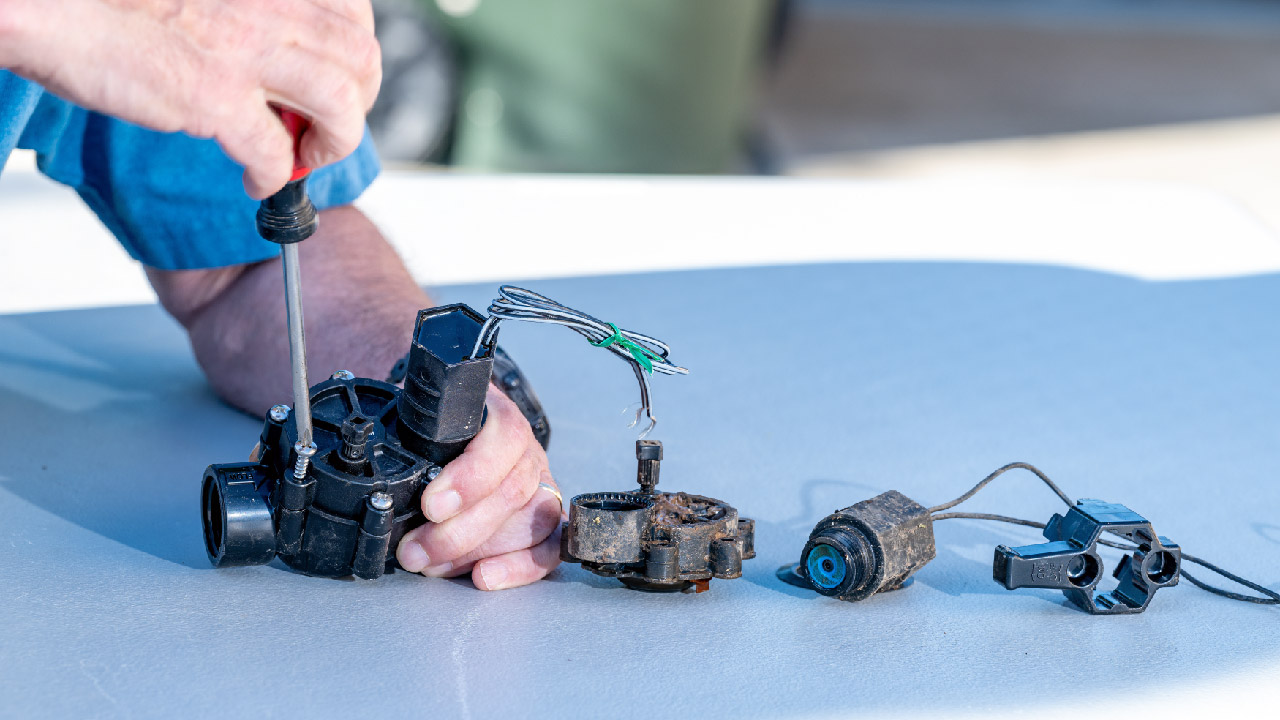 What Is A Solenoid Diy Projects
Step 5: Test It Like You’re Cautiously Optimistic
Reconnect the battery’s negative terminal, then take a deep breath. Turn the key, press the start button, or whatever ritual your machine demands. If you hear a satisfying roar instead of that pathetic click, you’ve done it. If not—retrace your steps. Did you forget to tighten a wire? Is the battery still dead? (I once spent an hour cursing a solenoid only to realize I had the wires on backward. True story.) The beauty is, you can’t break much more than you already fixed, so breathe.
Final Thoughts (Or: Why You Now Own the Bragging Rights)
You just replaced a solenoid. That means you outsmarted a mechanical gatekeeper with nothing but a socket set and a little courage. Go ahead, tell your friends. When they look impressed, casually say, “Oh, it was just a solenoid—easy swap.” And if someone asks for help? Remember Bob from the driveway—pass it on. Just don’t forget to disconnect the battery first. I’ll be over here, still waiting for my lawn tractor to forgive me.
