What Does Filtered Water Mean

The first time I really thought about filtered water was at a friend’s apartment. She poured me a glass from a fancy pitcher in the fridge, and I took a sip, expecting somethi...

The first time I really thought about filtered water was at a friend’s apartment. She poured me a glass from a fancy pitcher in the fridge, and I took a sip, expecting something magical. Honestly? It just tasted like… cold water. I felt a little cheated, like I’d been promised a secret handshake and got a regular one instead.
But then I remembered the tap water at my own place—that faint, metallic hint of pipes and chlorine. Suddenly, her glass wasn’t just water; it was silence for my taste buds. That’s when I realized: filtered water isn’t about adding something flashy. It’s about removing the stuff you don’t want. Think of it as a bouncer at a club, kicking out the weird particles and leaving only the pure, boring guests.
So, What Exactly Is Filtered Water?
Technically, filtered water is just tap water that has passed through a physical barrier or chemical process. That barrier—a filter—traps things like sediment, chlorine, rust, and sometimes even bacteria. It’s like running your backyard dirt through a sieve, but for your drinking glass.
Must Read
Side note: You’re probably already a filter pro and didn’t even know it. If you’ve ever used a Brita pitcher, a fridge dispenser, or a faucet attachment, congrats—you’re the gatekeeper of your own hydration. The goal isn’t to make “designer water”; it’s to fix what your local water plant didn’t.
It’s Not the Same as “Purified” (Yes, There’s a Difference)
Here’s where it gets tricky. People throw around “filtered” and “purified” like they’re synonyms, but they’re not. Filtered water removes particles by size, sort of like a net catching fish. Purified water goes further—using reverse osmosis, distillation, or deionization to strip away everything, including beneficial minerals.
Think of it this way: filtration is a polite “No, thank you” to impurities. Purification is a “Get out and leave no trace.” Most home filters don’t remove heavy metals or viruses; they just improve taste and reduce common contaminants. So if your water smells like a swimming pool, a basic carbon filter is your best friend.
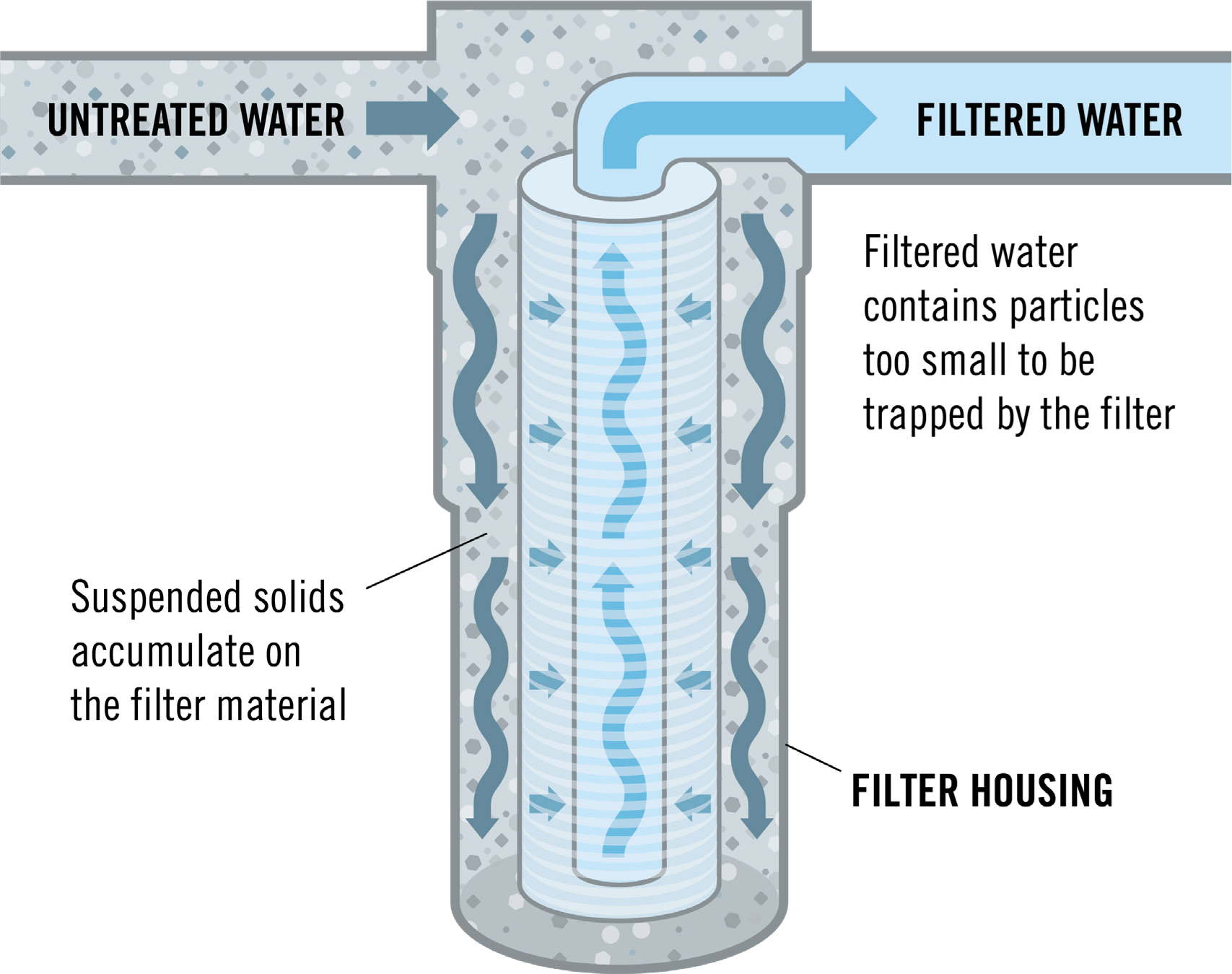 Household Water Treatment: Mechanical Filtration Methods and Devices
Why Filter? The Boring, Practical Reasons
Honestly, the biggest win is taste. Chlorine is added to kill germs, but it makes your morning coffee taste like a hospital. A filter yanks that out, and suddenly your tea doesn’t have a weird aftertaste. (Your next cup will thank you.)
There’s also the “ick” factor. Ever seen that white residue on your showerhead? That’s hard water—calcium and magnesium. Filters can reduce that too, meaning less limescale and softer feeling water. And no, you don’t need to buy bottled water to avoid that.
The Ironic Truth: It’s Not Always Better
Here’s the curveball: filtered water isn’t automatically healthier than tap water. In many cities, tap water is already rigorously tested. The filter’s job is mostly to fix your personal pet peeves. If your tap water is clean but tastes like dirt, a filter is a luxury, not a necessity. (But hey, if it gets you to drink more water, I’m not judging.)
The real irony? If you don’t change your filter regularly, it can become a petri dish. An old, soggy filter traps bacteria, then feeds them right back into your glass. That’s the opposite of helpful. So mark your calendar—every month or two, swap that cartridge out. Your future self will appreciate not sipping on mold tea.
 Best Water for Coffee & Tea: Does Filtered Water Improve Taste? – Epic
What About Those “Alkaline” or “Ionized” Filters?
Ah, the health-halo products. You’ve seen the ads: “Balance your pH! Add antioxidants!” Spoiler alert: your stomach acid is already powerful enough to override any pH changes. Most of those claims are marketing fluff dressed up in science words. A good carbon filter is probably all you need.
I’m not saying fancy filters are useless—they can make water feel “smoother” or change mouthfeel. But if you’re on a budget, a $30 pitcher works beautifully. Just don’t fall for the hype that filtered water will magically cure your tiredness. (Coffee is still the MVP for that.)
The Bottom Line: It’s Just Water, But Better
Filtered water is tap water with a makeover. It’s not magic, it’s not medicine—it’s just less annoying to drink. If your local water tastes fine, you don’t need it. But if you’ve been choking down chlorine-tinted tap water, a filter is a small upgrade that makes a big difference. And hey, it’s cheaper than buying cases of plastic bottles.
So next time someone offers you filtered water, take it. Drink it. And then ask them: “Did you remember to change the filter last week?” Because now, you’re the water snob who knows the real story. Cheers to that.
