What Is A Tds Water Test

Have you ever taken a sip of water and thought, “Hmm, this tastes a bit… off?” Maybe it’s not your imagination. That weird flavor could be hiding a secret, and it’s all about...
Have you ever taken a sip of water and thought, “Hmm, this tastes a bit… off?” Maybe it’s not your imagination. That weird flavor could be hiding a secret, and it’s all about something called a TDS water test.
Don’t let the science-y name scare you. TDS stands for Total Dissolved Solids, which is just a fancy way of saying “stuff floating in your water that you can’t see.” Think of it like the invisible ingredients in your glass of H2O.
Imagine you’re making a cup of tea. You drop in a sugar cube, and it dissolves—poof, gone. But that sugar is still there, right? It changes the taste and how the water behaves. That’s exactly what TDS is all about.
Must Read
In your tap water, those dissolved solids could be harmless minerals like calcium and magnesium. Or, they could be not-so-great things like salts, metals, or even rust from old pipes. A simple TDS test tells you the total amount of these invisible bits in your water.
Why should you care? Well, imagine wearing a pair of glasses with dusty lenses. You can still see, but everything is a little blurry. Water with high TDS is like that—it works, but it’s not as crisp or refreshing as it could be.
Your Morning Coffee Test
Let’s get personal. You know that perfect cup of coffee from your favorite café? It tastes smooth and rich. Now, try making the same beans with water from your tap. If the taste is flat, bitter, or just weird, high TDS might be the culprit.
Water with high TDS can mess with the flavor of coffee, tea, and even plain ice cubes. It can also make your kettle build up a chalky white crust (that’s scale), which is just ugly and annoying to clean.
A quick TDS test is like a detective for your taste buds. It helps you know if your water is helping or hurting your daily cuppa.
What Does a TDS Test Actually Do?
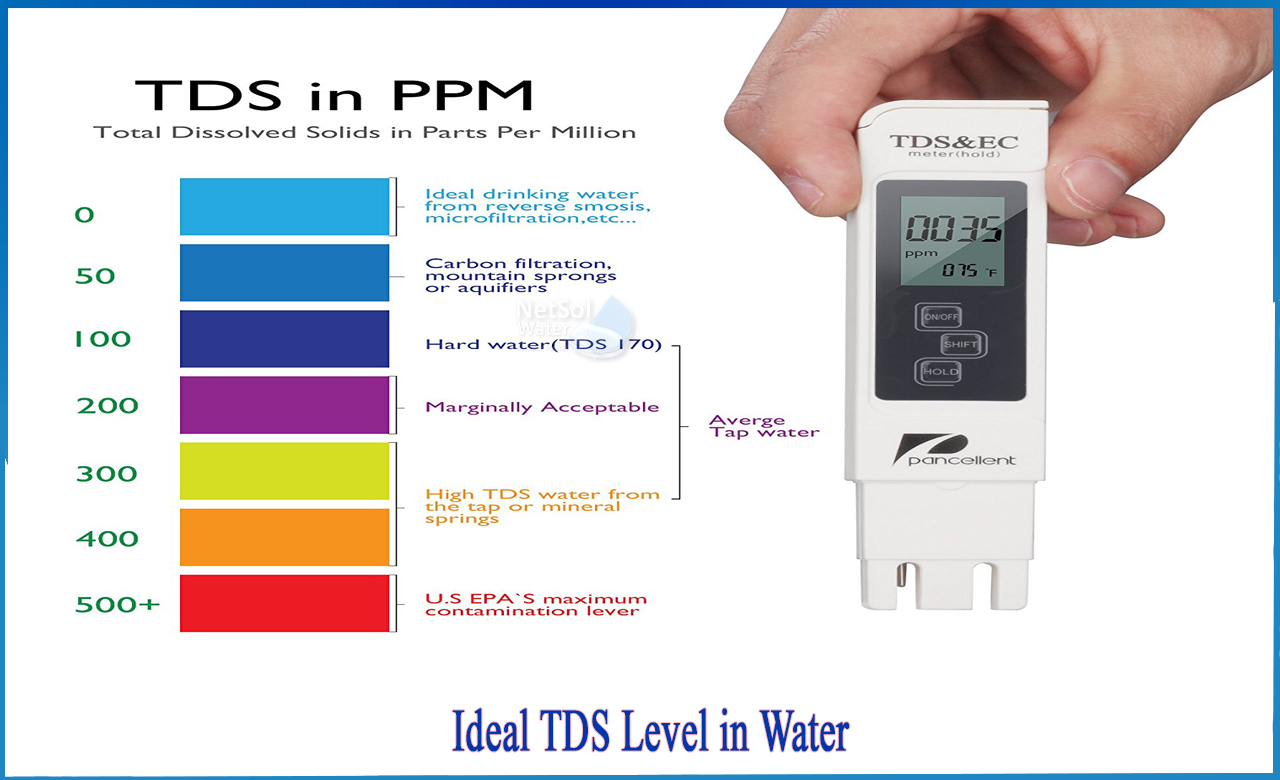
You don’t need a lab coat. A TDS test is usually a small, electronic pen-like gadget you dip into a glass of water. It measures the water’s ability to conduct electricity—more dissolved solids means more conductivity.
The device spits out a number, usually in parts per million (ppm). Under 50 ppm is considered very low (think distilled water). Anything over 500 ppm starts to get a bit heavy, and over 1,000 ppm? Well, that water might taste like you’re licking a rock.
 Tds In Water Analysis
It’s not a test for germs or bacteria. It won’t tell you if your water is safe from a health standpoint. But it will tell you if your water is “heavy” or “light” on those invisible solids.
A Little Story: The Scale Monster
My friend Lisa bought a fancy new espresso machine. Within a month, it started making strange gurgling noises and the coffee dripped slower than a teenager getting out of bed. She was furious.
I handed her a TDS tester. She dipped it into her tap water, and the reading was 780 ppm. The machine was basically drowning in mineral buildup. A simple filter solved her problem, and she hasn’t had a grumpy coffee morning since.
See? One little test saved her hundreds of dollars and her sanity. That’s why you should care. Your appliances—ice makers, humidifiers, even your iron—all suffer from high TDS water.
Tap, Bottled, or Filtered?
Ever wondered why some bottled waters taste “cleaner” than others? Check the label. Many fancy brands aim for a TDS under 100 ppm. Tap water varies wildly, from a pristine 50 ppm in some mountain towns to a gritty 600 ppm in older cities.
Knowing your tap water’s TDS can help you decide if you really need a filter—or if you’re just wasting money on bottled water. If your tap reads 150 ppm or less, you’re probably in great shape. If it’s 400 or above, a simple pitcher filter could be a game-changer.
It’s like knowing your jeans size before shopping online. Knowledge saves you hassle and cash.
It’s Not All Bad News
Let’s end on a happy note. Not all dissolved solids are villains. Minerals like calcium and magnesium are actually good for you! They’re essential for strong bones and a healthy heart.
 Total Dissolved Solids: Understanding Water Quality Indicators – Water
The trick is balance. Water with a moderate TDS (around 150-300 ppm) often tastes great and has a nice mouthfeel. Too low (like distilled water) can taste flat and boring. Too high, and you’re back to “rock water.”
Think of it like seasoning on a steak. A little salt makes it delicious. Too much salt, and you’re reaching for another glass of water—which might be the very problem you started with.
How to TDS Test at Home
Grab a TDS meter online for about ten bucks (same price as two fancy coffees). Fill a clean glass with tap water, dip the tester, and wait for the number to settle. It’s literally that easy.
Do the same with your bottled water, your filtered water, even your fridge water dispenser. Compare the numbers. You might be shocked at the difference. I promise, it’s more fun than checking your credit score.
Plus, you get to feel like a cool home scientist for a minute. Who doesn’t want that bragging rights at dinner?
The Bottom Line (Simple & Snappy)
A TDS water test is just a cheeky little checkup for your water’s personality. It tells you if your water is a light, crisp spritzer or a heavy, mineral-packed mudslide.
Use it to protect your appliances, improve your coffee game, and just know what’s in that glass you’re drinking. It’s a tiny tool with a big payoff—clearer taste, less scale, and happier mornings.
So go ahead. Give your tap water a little test. It might just become your favorite new kitchen gadget. Your taste buds (and your kettle) will thank you.
