Why Is Decaf Coffee So Expensive

So, you’re standing in line at your favorite café, wallet already whimpering. You order a decaf latte—because you want the cozy ritual without the 3 AM panic spiral—and the ba...
So, you’re standing in line at your favorite café, wallet already whimpering. You order a decaf latte—because you want the cozy ritual without the 3 AM panic spiral—and the barista casually says, “That’ll be six-fifty.”
Six-fifty! For decaf? That’s the coffee equivalent of paying full price for a movie ticket and then watching the screen sneeze for two hours. Why is this cup of “anti-joy” so brutally expensive? Grab a seat. The answer is both absurd and surprisingly scientific.
First, the Great Bean Heist
Here’s the dirty little secret: decaf coffee isn’t grown on a separate, chillaxed mountain where the beans take a nap. Every decaf bean starts its life as a normal, caffeinated overachiever. It’s the same premium Arabica bean that costs a fortune to farm, pick, and ship.
Must Read
So, you’re already paying for a top-shelf bean. Then, after all that effort, coffee producers have to spend more money to yank the caffeine out. It’s like buying a racehorse, then paying a surgeon to remove its legs. You’re left with a very expensive, very slow horse.
The Chemistry of Caffeine Removal (It’s Weird)
Getting caffeine out of a bean is not simple. You can’t just shake the bean and say, “Come on, caffeine, you’re grounded.” There are three main methods, and they all sound like pranks a mad scientist would play.
Method 1: The “Dirty Bath” (Direct Solvent) – They steam the beans, then wash them in a solvent (usually methylene chloride, which sounds terrifying but is food-grade safe). The solvent bonds with caffeine and gets drained away. It’s like giving your beans a chemical spa day to sweat out their energy.
Method 2: The “Sparkling Water” Trick (CO₂ Process) – They pump liquid carbon dioxide at high pressure into the beans. The CO₂ acts like a key, unlocking the caffeine molecules. This is incredibly expensive because you need giant steel pressure chambers that look like something out of a sci-fi movie about underwater coffee prisons.
Method 3: The “Posh Bean” (Swiss Water Process) – This is the hipster favorite. Beans soak in hot water, the caffeine-rich water is filtered through carbon to remove the caffeine, and then the beans are re-soaked in that exact same flavor water to put the taste back. It’s the most gentle, pure method—and it costs a fortune because you need precise water filtration that would make a clean-freak octopus nervous.
 How Much Caffeine in a Cup of Starbucks Coffee? – CAFELY
But Wait—The Flavor Tax!
Here’s the kicker: decaf is harder to roast well. Caffeine itself is bitter, so when you strip it out, the bean’s delicate flavors (fruity, nutty, chocolatey) become naked. Roast a decaf bean too long, and it tastes like burnt toast and regret.
Roast it too short, and it tastes like watery grass clippings. So roasters treat decaf like a nervous first date—extra careful, extra slow, and extra expensive. They often roast in smaller batches to avoid ruining a whole pallet. Small batches mean higher prices. Sorry, your wallet.
Supply and Demand: The Snooze Button Economy
Decaf is a niche market. Only about 10-12% of coffee consumed worldwide is decaf. That means the entire supply chain—from farmers to shippers to roasters—has to handle it as a special order. Special orders mean special markups.
Think of it like buying a left-handed guitar. Everyone makes right-handed ones by the millions, but the lefty version? You pay more because they have to set up a separate production line just for you. The 10% of you ordering decaf is a loyal, but expensive, minority.
The Caffeine Conundrum: You’re Paying for the Intangibles
Let’s be honest: when you order a regular coffee, you’re not just paying for the bean. You’re buying a ticket to Productivityville. You want the zoomies. Decaf offers you… a gentle hug. No zoomies. No panic. Just a comforting cup of warm, brown water that tastes vaguely like coffee.
 The Rise of Decaf Coffee: Why It’s More Popular Than Ever – Redber Coffee
So why do you pay a premium for that? Because decaf is an emotional safety net. It’s the designated driver of beverages. You’re paying for the peace of mind that you won’t be bouncing off the ceiling during your 2 PM Zoom call. That’s a luxury, and luxury goods are expensive.
A Surprising Fact to Make You Feel Better (or Worse)
Did you know that decaf coffee is not 100% caffeine-free? The FDA allows a tiny amount to remain—about 2-3 milligrams per cup, compared to 95 mg in regular. So you’re paying extra for a drink that still has a whisper of the drug you’re trying to avoid. It’s like ordering a “non-alcoholic” beer that’s 0.5% alcohol and paying double.
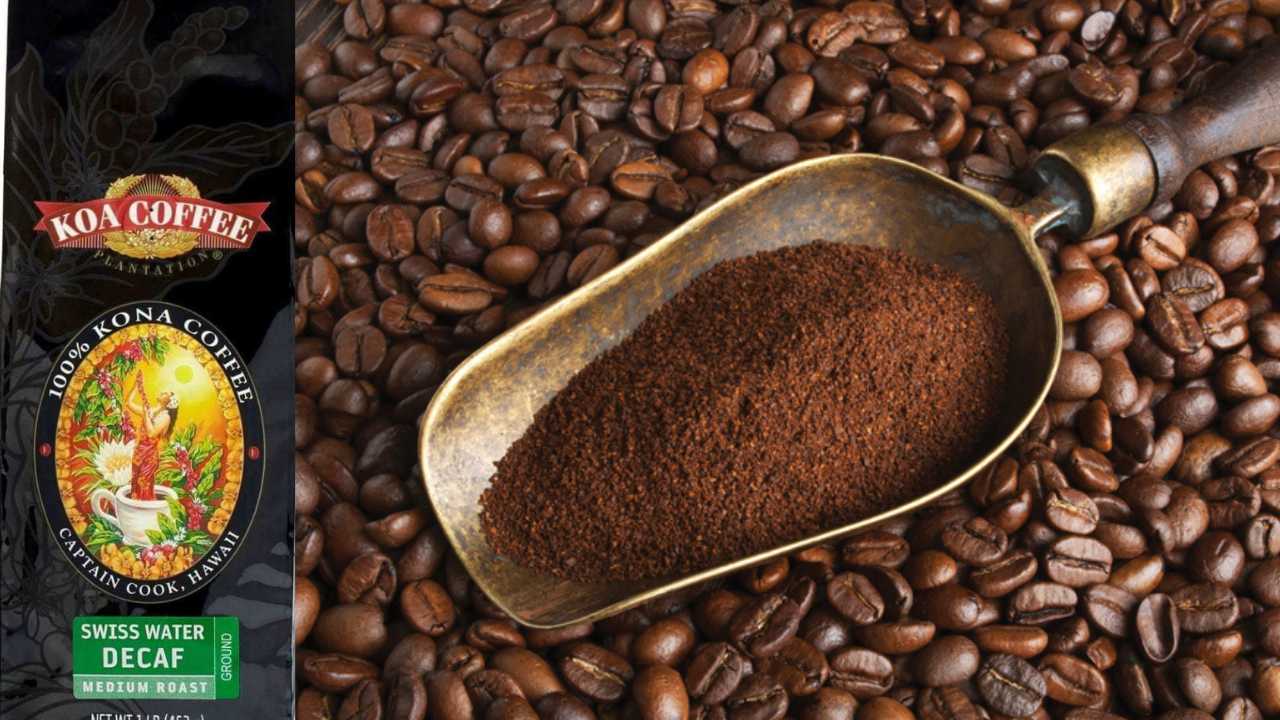
And get this: some of the most expensive, highly-sought-after coffees in the world (like certain Jamaican Blue Mountain or Hawaiian Kona) are sometimes roasted as decaf because the bean quality is so high it can survive the process. You could literally be paying $40 a pound for a decaf that’s fancier than anything your caffeinated friends have ever tasted. Try not to gloat.
The Final Pour
So, next time your barista charges you that premium for decaf, just smile. They’re charging for a meticulously sourced bean, a chemical spa treatment, a neurotic roasting process, and the subtle thrill of knowing you’re paying more for less. Less caffeine, less buzz, less regret.
Is it worth it? If you want to sleep tonight without dreaming about spreadsheets? Absolutely. Just don’t look at the receipt. And definitely don’t ask them to take the caffeine out of your decaf. Your bank account—and your heart—can’t take another joke like that.
