Anthropic Updates Claude Rules On Ai Abuse, Election Deception And Other Risks

Last Tuesday I asked a chatbot how to bypass a standard door latch, mostly out of lingering muscle memory from old college dorm nights. Most assistants politely refused within...
Last Tuesday I asked a chatbot how to bypass a standard door latch, mostly out of lingering muscle memory from old college dorm nights. Most assistants politely refused within three seconds, though this particular model actually drafted a full technical guide before hitting a hard block. I felt simultaneously impressed and slightly guilty, like I'd accidentally asked a senior librarian to teach me archive theft.
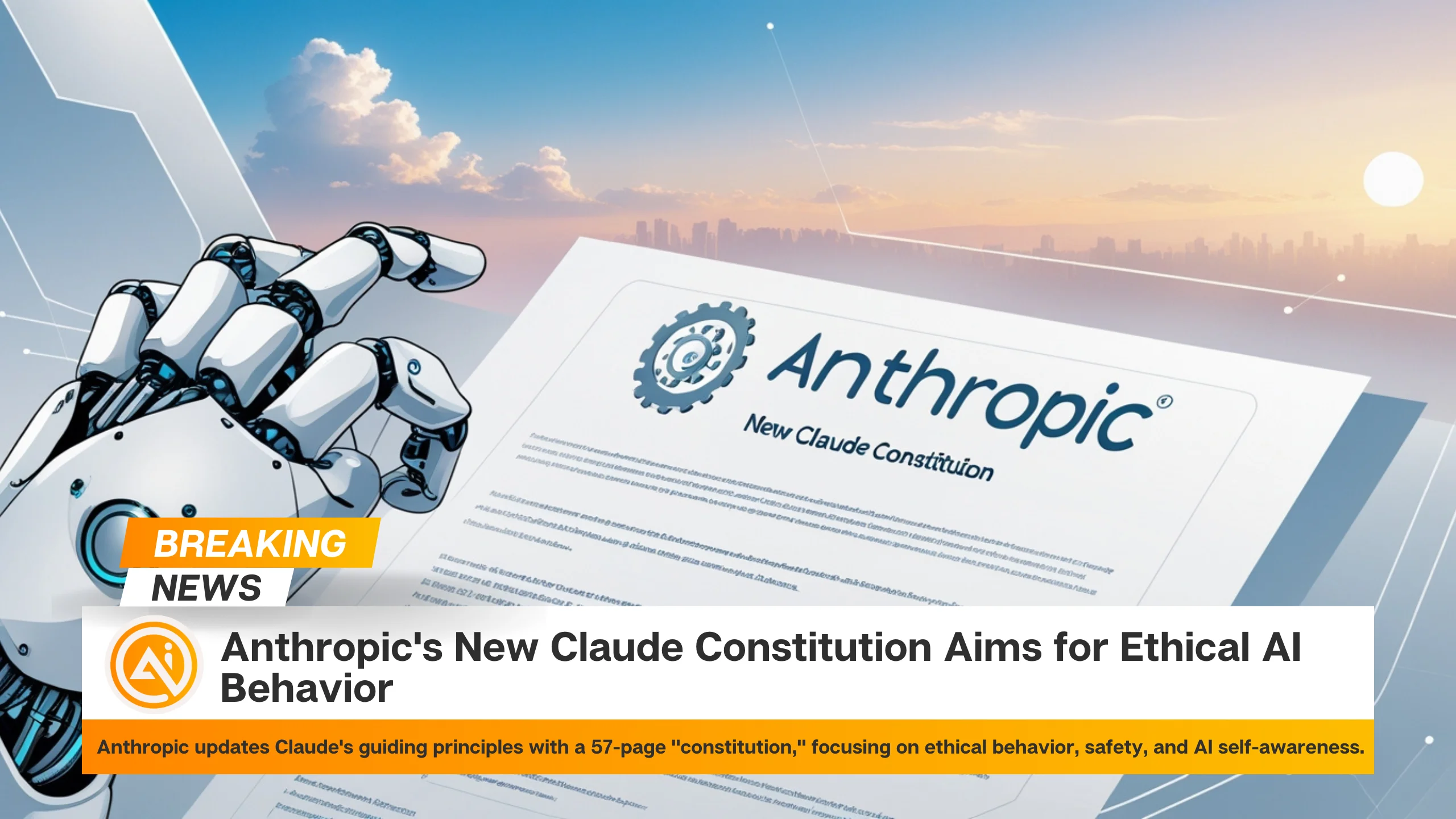
That brief interaction perfectly mirrors our current technological crossroads, where language systems grow remarkably sharper daily while remaining unusually rigid when pushed too far. Anthropic recently tightened its operational guidelines for Claude to match this shifting reality, explicitly targeting AI abuse, electoral deception, and several emerging digital hazards that plague mainstream forums. You might wonder why another policy revision matters when your favorite apps constantly change permissions, but the answer lives right beneath your cursor.
Those invisible rules dictate exactly what you can generate, share, or casually encounter online during peak demand hours when servers strain under volume. Every platform adjustment eventually touches your daily workflow, shaping everything from quick drafting tasks to massive content campaigns. Think of this phase like installing proper traffic signals instead of hoping drivers magically memorize basic courtesy.
Must Read
Why Invisible Limits Actually Shape Your Screen Time
Most creators assume safety frameworks hide inside forgotten corporate archives, yet those quiet boundaries actively filter what reaches public feeds during sudden viral spikes. When engineers recalibrate detection thresholds, everyday writers immediately feel the ripple effects traveling through their notification streams. We simply cannot expect sophisticated software to ignore basic operational courtesies any longer.
Taming System Misuse Without Killing Creativity
Let us address automated harassment first, because someone inevitably tests every digital perimeter the moment new capabilities launch into public view. The refreshed guidelines explicitly block prompts engineered to flood inboxes or manipulate financial dashboards, while third-party integrations must now verify identity markers before publishing sensitive outputs. I know developers usually hate extra verification steps, but prevention consistently beats disaster recovery strategies across every sector.
We still expect delivery trucks to verify street addresses before dropping packages, so why would we suddenly abandon that logic for automated code execution? Modern software deserves identical basic courtesies, especially when millions rely on those generated outputs daily. Drawing clear lines between playful experimentation and outright chaos protects both creators and consumers.
Giving Elections A Digital Safety Net
Civic cycles approach rapidly while synthetic deception costs virtually nothing to manufacture, making algorithmic oversight absolutely crucial for maintaining democratic stability. The updated framework specifically flags fabrication attempts targeting local candidates and polling logistics, triggering additional review layers whenever coordination patterns resemble known manipulation networks. You may groan at another corporation playing informational referee, yet unchecked algorithms leave ordinary voters completely blindside.
 Anthropic's Claude AI Updates - Impact on Privacy & Confidentiality
Would you not gladly spot manufactured voices before they hijack community newsletters or permanently poison family group chats? Unfiltered AI amplification guarantees widespread confusion, while careful filtering actively preserves trust in our shared digital landscapes. Smart guardrails actually empower legitimate participation rather than artificially silencing creative expression.
Walking Through The Ambiguous Territory
Safety protocols rarely arrive as straightforward instruction manuals, inevitably carrying tradeoffs, edge cases, and heavy gray zones that thoroughly frustrate early adopters. Anthropic openly admits that rigid filters sometimes interrupt genuine academic research or experimental drafting, so engineering squads will now track false alarm frequencies and adjust sensitivity benchmarks monthly. Independent reviewers receive structured access to safely stress-test the boundaries while past launch failures remind us that rushed deployments guarantee broken workflows.
Perfect systems require steady calibration rather than instant miracles, meaning dedicated teams must patiently refine detection algorithms alongside comprehensive user education programs. Continuous monitoring prevents well-intentioned restrictions from accidentally blocking valuable academic debates or collaborative creative workshops. Balance remains elusive until developers treat feedback loops as permanent structural fixtures instead of temporary patches.
What Shifts For Routine Readers
Casual browsers probably will not notice drastic modifications tomorrow morning, since most conversations remain fluid, intuitive, and entirely familiar despite heavy backend adjustments. Power users pushing bulk generation through custom endpoints will encounter authentication prompts and clearer warning banners guiding them toward fully compliant pathways. The transition reflects a broader industry pivot toward proactive oversight, ensuring you experience gentle guidance instead of sudden blocks when exploring sensitive subjects.
 Anthropic Warns Claude AI Can Break Rules in Tests
Isn't that precisely how supportive assistance should function, offering consistent reminders that prevent accidental missteps without frustrating ongoing creative momentum? Reliable platforms respect your time while quietly shielding you from algorithmic pitfalls that easily escalate into larger problems. Sustainable innovation thrives when convenience never overrides fundamental responsibility across digital ecosystems.
Keeping Our Digital Habits Grounded
Innovation accelerates constantly while accountability naturally trails behind schedule, making published usage standards surprisingly vital for everyday journalists and independent business owners alike. Claude's refreshed approach prioritizes transparency over flawless execution, acknowledging that no single model catches every anomaly instantly regardless of extensive training depth. Researchers can explore complex ideas responsibly while malicious actors encounter friction scaling proportionally with actual threat levels.
Picture household arguments requiring this exact deliberate pacing, where careful wording prevents unnecessary escalation and mutual understanding emerges naturally over time. We would resolve nearly every misunderstanding within minutes if consumer technology enforced comparable intentionality across board. Those careful adjustments signal a matured toolkit philosophy where safety operates as essential infrastructure.
You deserve collaborators that amplify human potential without quietly enabling collateral damage, especially when digital tools increasingly mediate routine daily decisions. Stay curious, keep testing carefully, and maybe attempt something wonderfully harmless next week. The near future unquestionably belongs to responsible creators who willingly embrace guardrails as sturdy launching pads rather than frustrating roadblocks.
