Can You Treat Salmonella At Home? Fluids, Rest, And When To Call A Doctor

So you’ve just discovered that your stomach is doing the cha‑cha after that questionable chicken salad. Yep, you might be dealing with salmonella, the uninvited party guest th...
:max_bytes(150000):strip_icc()/salmonella-treatment-4164292-FINAL-20f18c88ed5f43b2a8faefe47e21f71b.png)
So you’ve just discovered that your stomach is doing the cha‑cha after that questionable chicken salad. Yep, you might be dealing with salmonella, the uninvited party guest that loves to crash your gut.
What is salmonella, anyway?
Salmonella is a type of bacteria that loves to hitch a ride on raw eggs, undercooked meat, and sometimes even on your pet’s fur. It’s the culprit behind most food‑borne “oops” moments. Most people recover on their own, but the experience can feel like a roller coaster you didn’t sign up for.
Can you treat it at home?
Short answer: yes, in many cases. Your body is a pretty good detective and often clears the infection without a prescription. The trick is knowing when to let it do its thing and when to call in the professionals.
Must Read
When home care works
If you’re an otherwise healthy adult, feeling only mild nausea, a few loose stools, and low‑grade fever, you’re probably in the “home‑treatable” zone. Hydration and rest are the dynamic duo that will get you back on track.
Red flags that scream “call a doc”
High fever (over 102°F), blood in stool, severe abdominal pain, or symptoms that linger beyond a week are your body’s neon signs. If you’re pregnant, elderly, or have a weakened immune system, dial the doctor sooner rather than later.
Home treatment basics
Think of your home care plan as a spa day for your gut—minus the cucumber slices on your eyes. The three pillars are fluids, rest, and smart food choices.
 Treatment - Salmonella
Hydration: the superhero
Diarrhea can turn you into a desert, so drink up! Water, clear broths, and oral rehydration solutions are your best friends. Avoid caffeine and alcohol because they act like tiny thieves stealing the fluids you need.
Rest: your body’s Netflix binge
When you’re sick, your body is basically saying, “Hey, I need a break from the hustle.” Lie down, watch a feel‑good show, and let your immune system do the heavy lifting. Skipping work or school for a couple of days is totally okay.
Food: what to eat, what to avoid
Start with bland, easy‑to‑digest foods: bananas, rice, applesauce, and toast—the classic BRAT diet. Steer clear of spicy, fatty, or dairy‑heavy meals until your stomach signs a peace treaty.
Over‑the‑counter helpers
Anti‑diarrheal meds like loperamide can be useful, but only if you’re not running a fever or have blood in your stool. Probiotics may help restore good bacteria, but they’re not a magic wand.
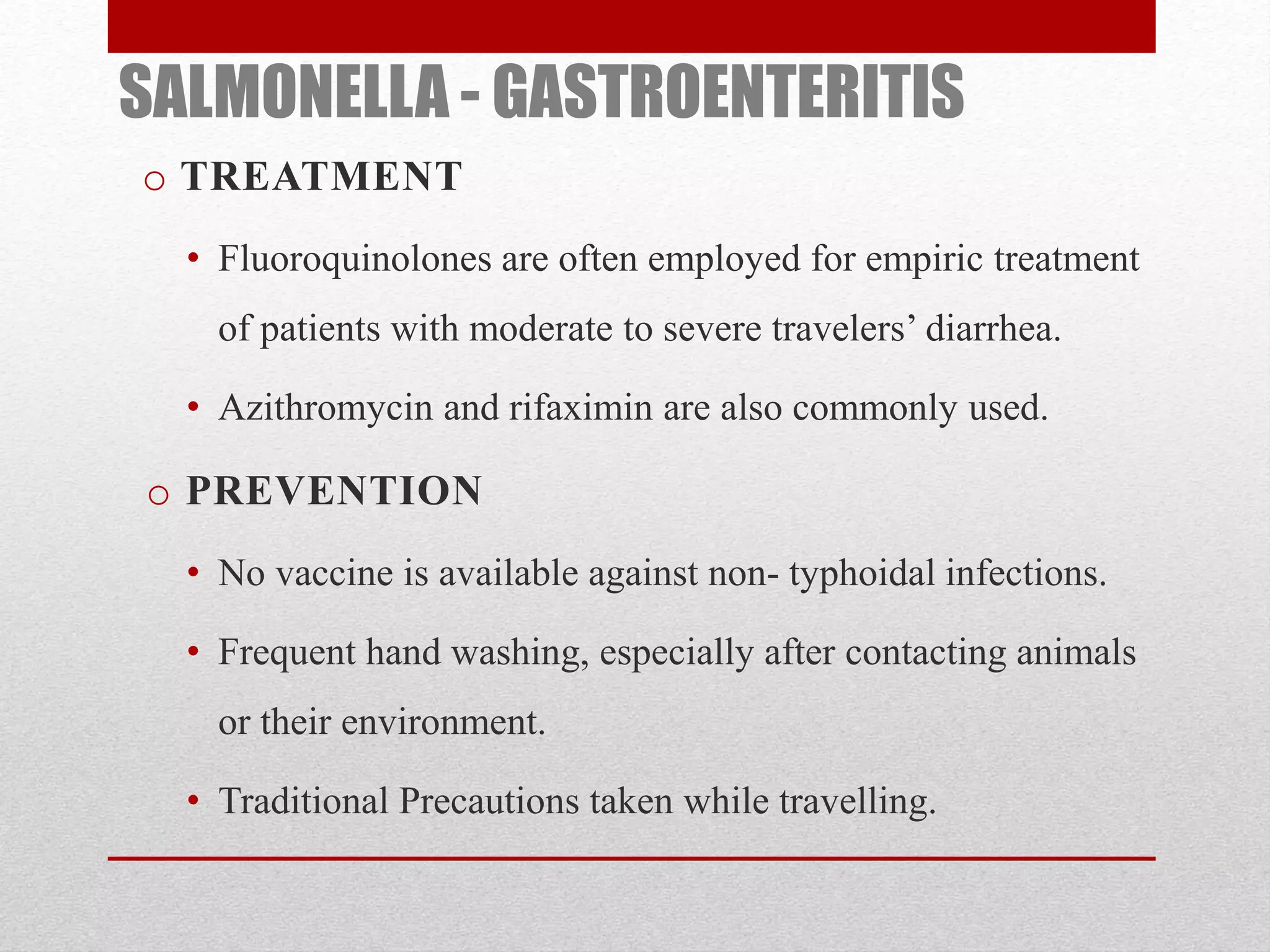 Salmonella | PPTX
When to call the doctor
Call your healthcare provider if you notice any of the red flags mentioned earlier, or if you’re simply unsure. Better safe than sorry—especially if you’re caring for kids or have chronic health issues.
What the doctor might do
They could order a stool culture to confirm salmonella, prescribe antibiotics if you’re high‑risk, or give you IV fluids for severe dehydration. Most of the time, though, they’ll just reassure you and let you rest.
Preventing the next bout
Wash your hands like you’re auditioning for a hand‑washing commercial—20 seconds, all over. Cook eggs and meat to safe temperatures, and keep your fridge at or below 40°F. These tiny habits keep the bacteria at bay.
 Salmonella-(Salmonellosis) by mari.aviles98
Quick FAQ
Q: Can I take antibiotics for salmonella?
A: Only if a doctor says so; unnecessary antibiotics can do more harm than good.
Q: How long does it usually last?
A: Most people feel better within 4‑7 days, but full recovery can take up to two weeks.
Bottom line: stay chill, stay safe
Salmonella is a pesky intruder, but with plenty of fluids, a cozy blanket, and a dash of common sense, you can kick it out of the house. If anything feels off, don’t hesitate to call a professional. Remember, every storm passes, and soon you’ll be back to enjoying your favorite meals—cooked, of course—without a single worry.
So, sip that broth, binge that feel‑good series, and let your body do its thing. Before you know it, you’ll be back to laughing at the very idea of a “food‑borne villain.” Stay hydrated, stay rested, and keep that smile on—your gut will thank you!
:max_bytes(150000):strip_icc()/salmonella-treatment-4164292-FINAL-20f18c88ed5f43b2a8faefe47e21f71b.png&description=Can+You+Treat+Salmonella+At+Home%3F+Fluids%2C+Rest%2C+And+When+To+Call+A+Doctor)