Salmonella 101 For Families: Symptoms, Prevention, And When To Seek Medical Care

What the heck is Salmonella? It’s a tiny, sneaky bacterium that loves the inside of eggs, poultry, and even your garden sprouts. Salmonella lives in animal guts and can hop on...
What the heck is Salmonella?
It’s a tiny, sneaky bacterium that loves the inside of eggs, poultry, and even your garden sprouts. Salmonella lives in animal guts and can hop onto food like a party crasher. Don’t let it win.
Why you should care (yes, really)
If you love tacos, picnics, and kids who think raw dough is a snack, this matters. A bite of contaminated food can turn a happy dinner into a bathroom marathon. Know the enemy and you can dodge the drama.
Quick, quirky facts
There are over 2,500 known Salmonella serotypes—yes, that many! Some strains can survive in peanut butter for months. Even chocolate isn’t safe from a determined bug.
Must Read
Spotting the tell‑tale signs
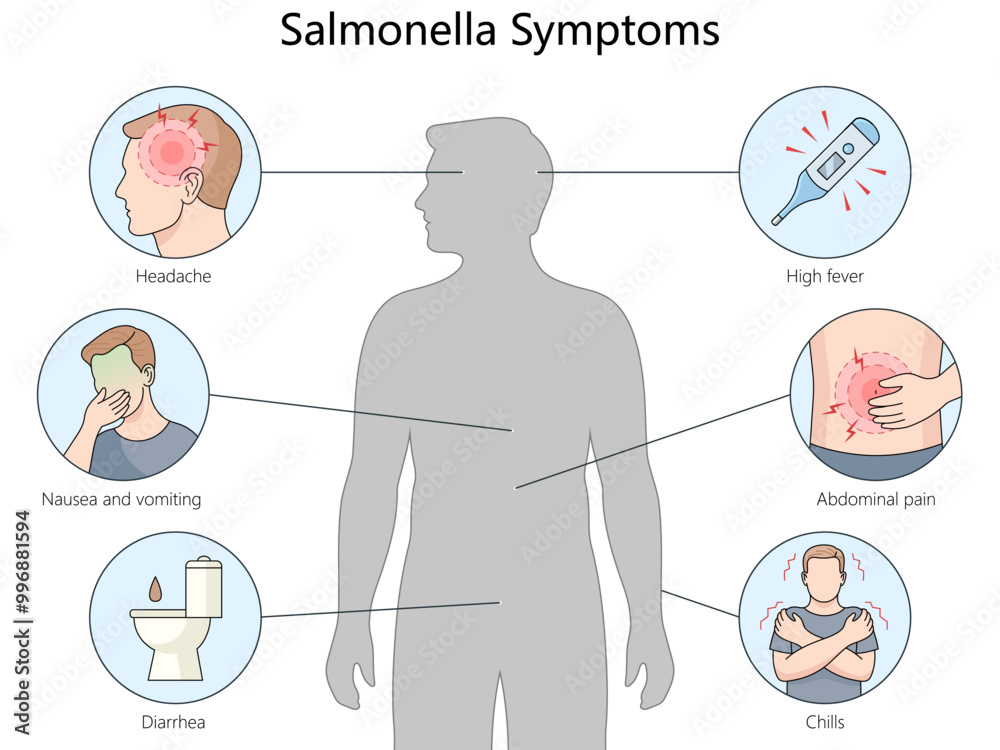
First cue: a sudden tummy rumble that feels more like a roller‑coaster. You’ll get nausea, watery diarrhea, and a fever that’s hotter than a summer sidewalk. Symptoms usually strike 6‑48 hours after the offending bite.
Kids and the “I’m fine” act
Little ones love to hide pain behind a smile. Look for extra crankiness, a sudden drop in energy, or an unexplained limp. When they’re quiet, it could be a silent warning.
Prevention 101: Kitchen wizardry
Wash hands like you’re auditioning for a hand‑soap commercial—20 seconds, scrubbing every nook. Separate raw chicken from veggies; use different cutting boards. Color‑code your gear if you’re feeling fancy.
Eggs: the double‑edged sword
Don’t trust “just a quick rinse.” Cook eggs until yolks are firm; scramble, fry, or boil for at least 71 °C (160 °F). Hard‑boiled is the safest bet for picky eaters.
 Salmonella (Salmonellosis): Causes, Symptoms & Complications - Mayo
Refrigeration reality check
Keep your fridge at 4 °C (40 °F) or colder—no excuses. Store raw meat on the bottom shelf so juices can’t drip onto cheese. Leftovers? Toss them after 3‑4 days; a timer can be your best friend.
Travel tips for the adventurous family
Street food is awesome, but a little caution goes a long way. Skip raw eggs on the go, and sip bottled water unless you’re sure it’s filtered. When in doubt, say “no thanks.”
Pet pals and hidden hazards
Reptiles and amphibians love to carry Salmonella on their scales. Wash hands after handling turtles, lizards, or even a hamster’s cage. Let the kids admire from afar.
When to call in the pros
If fever climbs above 101.5 °F (38.5 °C) and won’t budge, pick up the phone. Also, call if diarrhea lasts more than three days or if you see blood. Dehydration—dry mouth, no tears, dull eyes—needs urgent care.
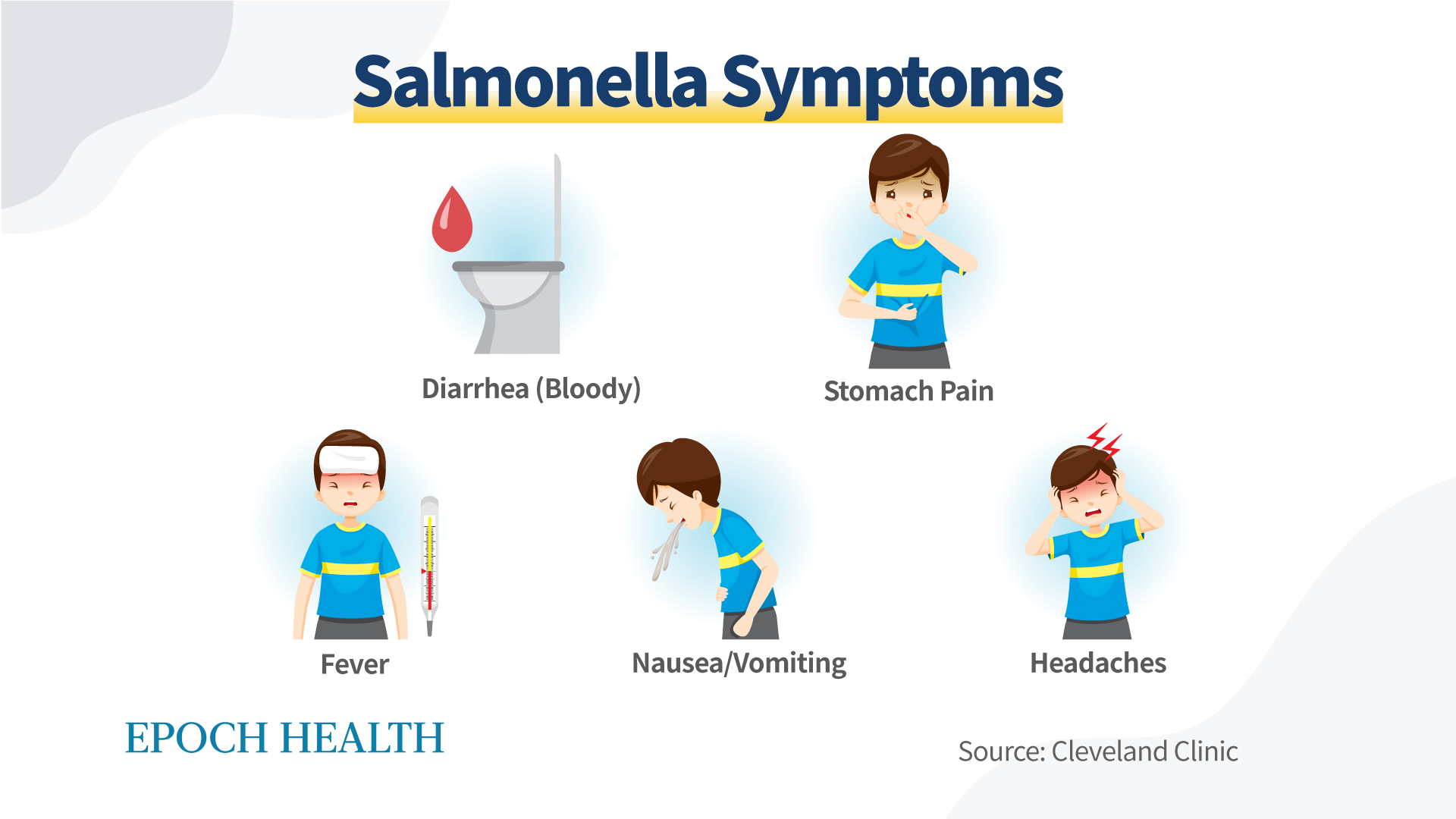 Salmonella Symptoms Vomiting
Special cases that need extra eyes
Pregnant moms, seniors, and anyone with a weak immune system should see a doctor at the first sign. Their bodies can’t fight the bug as hard. Better safe than sorry.
Home tricks to feel better (but not replace medicine)
Sip clear fluids—broth, oral rehydration solutions, or plain water with a pinch of salt. Rest like you’re auditioning for a nap marathon. Avoid dairy and caffeine until the storm passes.
Probiotic power?
Yogurt with live cultures might help rebalance gut bacteria, but it’s not a cure‑all. Choose plain, low‑sugar versions; kids love the “fun dip” vibe. Ask your doctor before loading up.
Family game plan: The Salmonella safety checklist
1️⃣ Wash hands before and after meals. 2️⃣ Keep raw meat separate. 3️⃣ Cook to proper temps—use a food thermometer! 4️⃣ Chill leftovers fast. 5️⃣ Keep pets out of food prep zones.
:max_bytes(150000):strip_icc()/Health-Salmonella-GettyImages-1317842621-Phospherous-BLUE-horiz-be873838f1de4f679769dbbe07158afa.jpg) Salmonella: Signs and Symptoms
Salmonella: Signs and Symptoms
Make it a habit
Turn hand‑washing into a song—“Happy Birthday” twice, or a quick rap. Place a colorful sticker on the fridge for “Check Temp.” Kids love missions, and chores become quests.
Why this topic is actually fun
Because we get to be detectives, chefs, and superheroes all at once. Spotting a hidden bacterium feels like finding a secret level in a video game. And the best part? You protect your crew while eating the foods you love.
Final pep talk
Salmonella is tiny, but your family’s health is huge. Stay curious, stay clean, and keep the kitchen vibes upbeat. Happy meals and fewer bathroom breaks? That’s the dream.
Bonus tidbit
Did you know? The word “salmonella” was coined after a 19th‑century scientist named Dr. Salmon. His discovery turned a mystery into a name we now shout in kitchens worldwide. So next time you’re chopping veggies, give a nod to Dr. Salmon and his pesky passenger.
