Salmonella Dehydration Warning Signs: When Diarrhea Needs Urgent Care

Salmonella 101 You’ve probably heard the dreaded phrase “got the runs.” It usually means you ate something funky. When that something is Salmonella, the plot thickens. The...
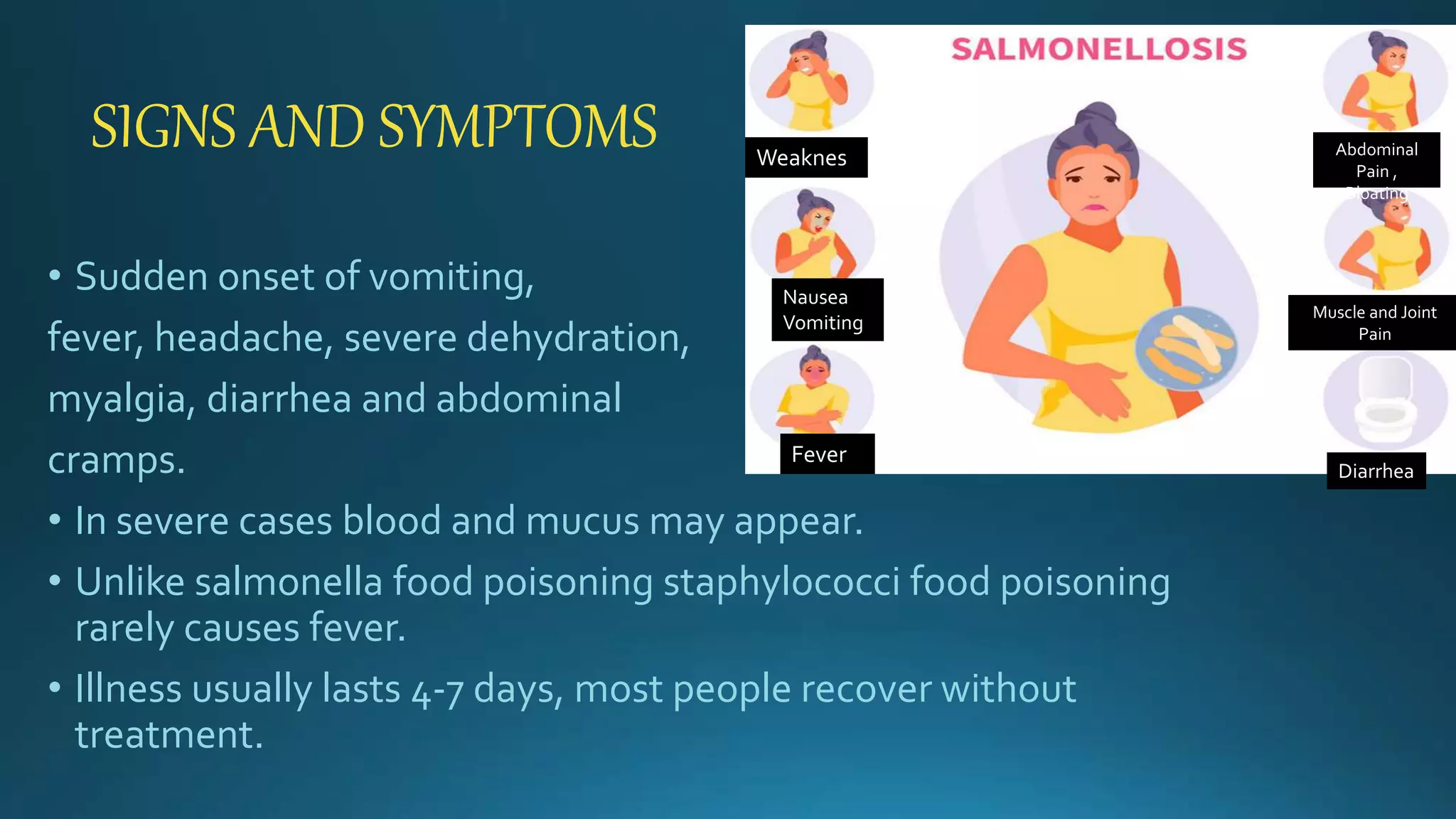
Salmonella 101
You’ve probably heard the dreaded phrase “got the runs.” It usually means you ate something funky.
When that something is Salmonella, the plot thickens. The bug loves a good buffet of raw eggs, under‑cooked poultry, and even those innocent‑looking baby carrots.
Most people brush it off with a few groans and a flush. But sometimes the drama escalates to full‑blown dehydration. That’s when you need to sound the alarm.
Must Read
Why dehydration is the villain
Every episode of diarrhea steals water faster than a leaky faucet. Your body responds by sending you endless trips to the toilet.
Lost fluids mean lost electrolytes, and your brain starts feeling fuzzy. That’s your body’s very polite way of saying, “Hey, I need help!”
When the water loss outpaces your intake, you enter the danger zone. And trust us, you don’t want to be there.
Red‑flag warning signs
Dry mouth and thick saliva are the first whispers. Your tongue feels like a desert.
If you’re sipping water but still feel thirsty, that’s a neon sign. Your body is screaming “more, please!”
Dizziness when you stand up? That’s orthostatic hypotension knocking on your door. Your blood pressure drops because your volume does too.
Eye‑popping fatigue that makes you want to nap on the couch for three days? Yep, that’s dehydration crashing the party.
:max_bytes(150000):strip_icc()/Health-Salmonella-GettyImages-1317842621-Phospherous-BLUE-horiz-be873838f1de4f679769dbbe07158afa.jpg) Salmonella: Signs and Symptoms
Salmonella: Signs and Symptoms
Dark, amber urine is another badge of honor—just not the good kind. If your pee looks like tea, you’ve slipped into the rabbit hole.
Fewer than four wet diapers a day for kids? That’s a pediatric SOS. Babies can’t tell you they’re thirsty, so they rely on color clues.
When to sprint to urgent care
Any sign that lasts longer than 24 hours deserves a fast‑track ticket. Time isn’t on your side when fluids are fleeing.
Rapid heart rate over 110 beats per minute? Your ticker is working overtime to pump that thin blood.
Persistent vomiting that won’t let you keep fluids down? That’s a double whammy—no intake, more loss.
If you spot blood in your stool, call it a major red flag. It means the gut lining is taking a hit.
Fever climbing above 101.5°F (38.6°C) alongside the diarrhea? That’s your immune system throwing a tantrum, and you need a professional hand.
Children under five, seniors, or anyone with a compromised immune system should get checked at the first hint. Their bodies are less forgiving.
 Salmonella and Food
What urgent care will do
First, they’ll measure your vitals and check for signs of shock. A quick glance can reveal a lot.
Then comes the magic of IV fluids. It’s like a super‑charged water slide straight into your bloodstream.
They may throw in electrolytes like potassium and sodium to rebalance the chemistry. Think of it as a spa day for your cells.
If the doctor suspects a severe infection, they might prescribe antibiotics. Not every Salmonella case needs them, but the serious ones do.
Home‑base rescue tips
Start sipping clear liquids every 15 minutes. Small sips beat giant gulps every time.
Oral rehydration solutions (ORS) are the MVPs—tiny packets that turn water into a hydration powerhouse.
Avoid caffeine, alcohol, and sugary sodas. They pull water out of your system faster than a vacuum.
Stick to bland foods like bananas, rice, applesauce, and toast (the BRAT diet). Your gut will thank you.
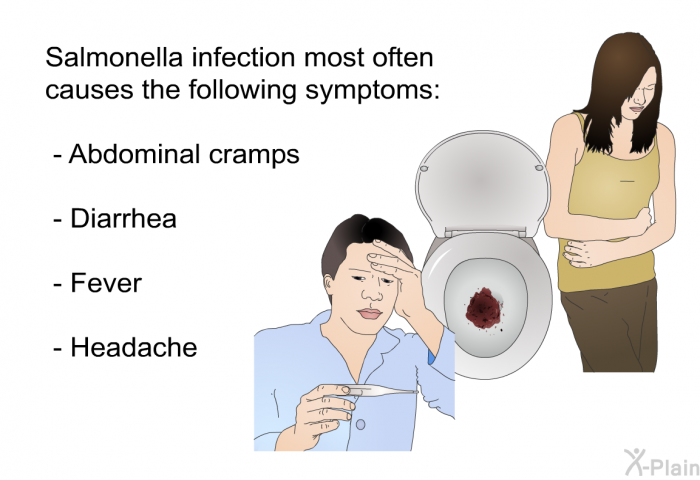 What Are Some Symptoms Of Salmonella Poisoning
Rest like a champion. Sleep is the body’s secret weapon against infection.
Quirky Salmonella facts
Did you know the word “Salmonella” honors a 19th‑century scientist named Dario Salmone? He never imagined his name would become a bathroom buzzword.
Salmonella can survive in dry pantry items for years. That’s right—your flour could be a hidden time capsule.
The bacterium once caused a massive outbreak at a famous chocolate factory, proving that even sweet treats aren’t safe from sneaky microbes.
Some strains glow under UV light. Lab techs love a good glow‑in‑the‑dark party.
Bottom line
Don’t ignore those dehydration warning signs. Your body is waving a bright flag, and you’ve got the map.
If you’re unsure, err on the side of caution and head to urgent care. Better safe than sitting on the porcelain throne for days.
Stay hydrated, keep an eye on the symptoms, and remember—your gut likes a calm cruise, not a wild roller‑coaster.
