Salmonella Symptoms: How To Recognize The Infection And When They Start

What’s the deal with salmonella? Picture this: you’ve just devoured that “extra‑crispy” chicken wing, and a few hours later your stomach starts doing the cha‑cha‑cha. Salm...
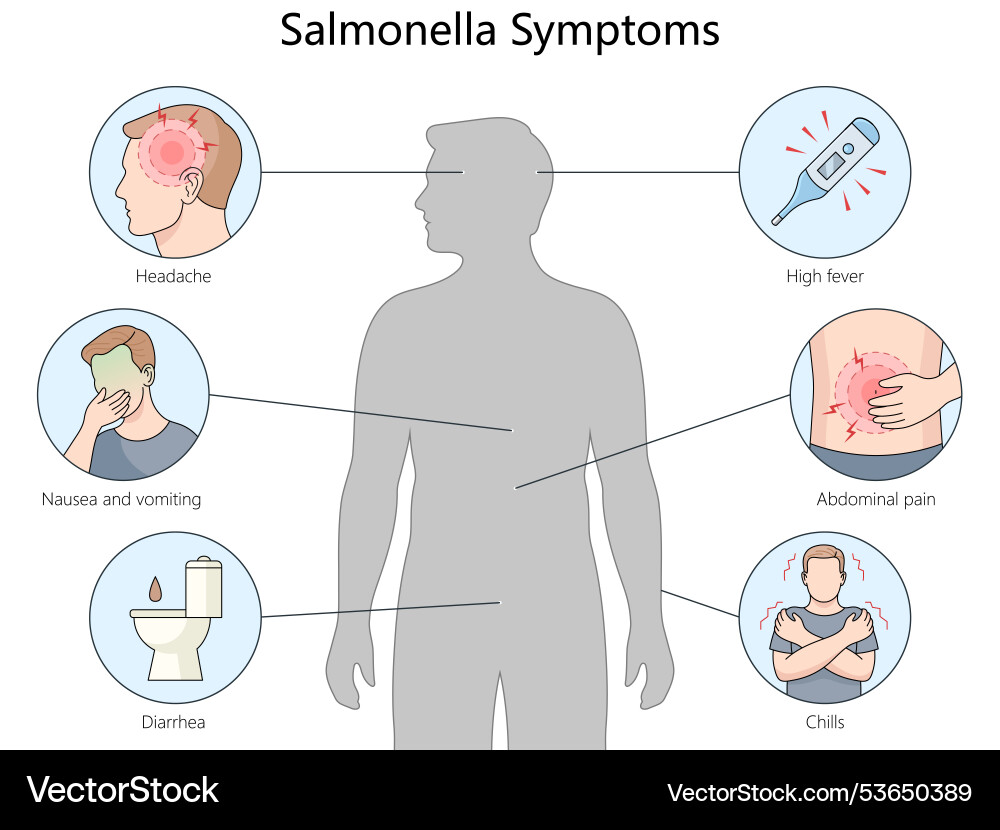
What’s the deal with salmonella?
Picture this: you’ve just devoured that “extra‑crispy” chicken wing, and a few hours later your stomach starts doing the cha‑cha‑cha. Salmonella is the sneaky culprit that loves to crash the party when food takes a wrong turn on the bacterial highway.
In plain English, salmonella is a type of germ that hangs out in raw eggs, undercooked meat, and even some mischievous veggies that missed their wash‑up. It’s not a super‑villain, but give it a chance and it can turn a happy tummy into a roller‑coaster.
How does it sneak in?
Most of the time, the bug hops onto your plate from contaminated food or water. Think of it as the foodie equivalent of a backstage pass—except you don’t want to be on that stage.
Must Read
Cross‑contamination is the sneakiest trick: a cutting board that handled raw chicken now slices your salad. A quick rinse and a separate board can keep that germ from getting a cameo in your guacamole.
Spotting the early warnings
The first signs usually pop up six to 72 hours after the offending bite. That’s enough time for the bacteria to set up camp, but not enough for you to forget your dinner.
You might feel a gentle rumble in your belly, like a tiny earthquake. In the meantime, a low‑grade fever can join the party, making you wonder if you’ve caught a “food flu.”
The classic symptom lineup
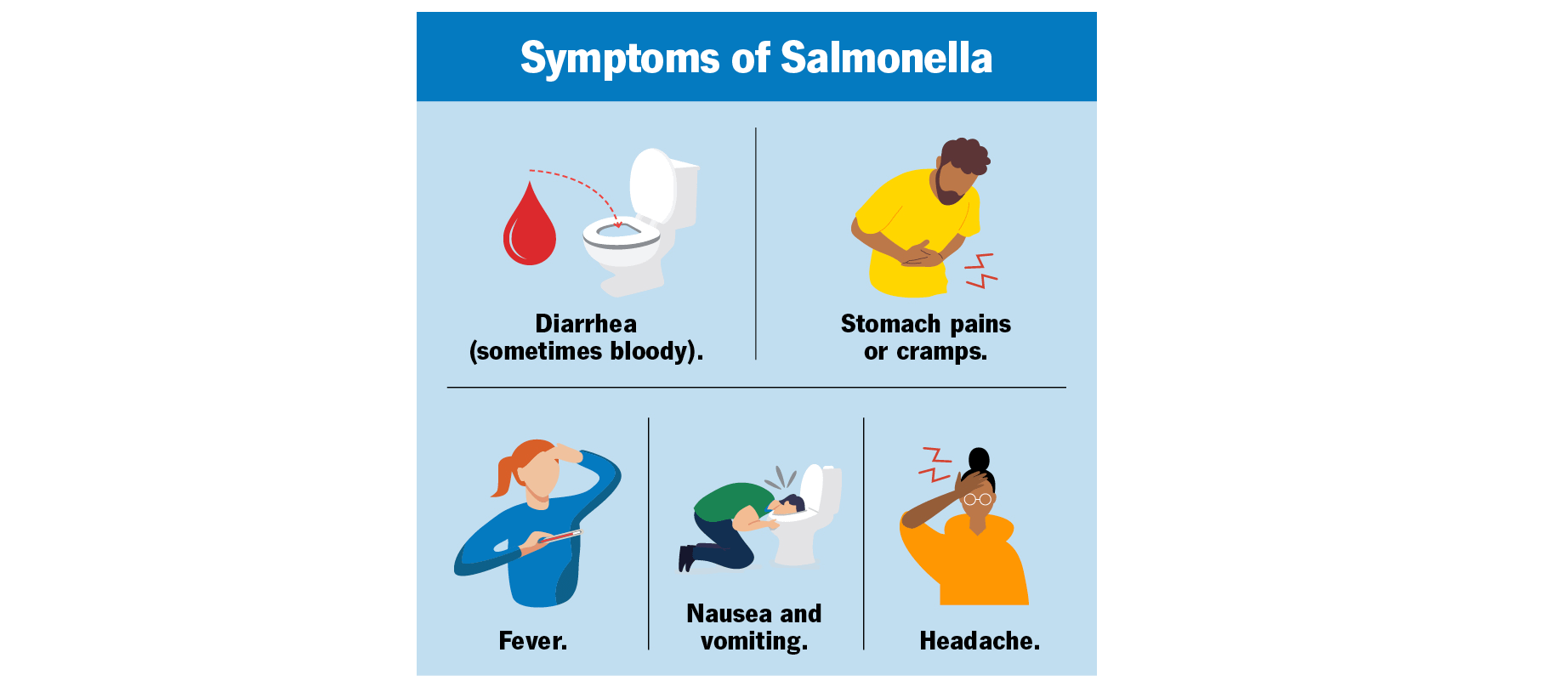
Here’s the usual cast: nausea, vomiting, cramping, and diarrhea. The diarrhea can be watery, and sometimes it brings along a side of urgency that makes you sprint to the bathroom faster than a squirrel on espresso.
 Salmonella and Food
Headaches and muscle aches may tag along, as if your whole body decided to join the protest. It’s your immune system sending out the “we‑need‑help” flag—no one wants to be the unofficial marching band.
When do the symptoms really kick in?
Most folks notice the earliest hints within 12 to 24 hours. If you’re lucky, you’ll feel the first rumble before the night‑shift pizza arrives.
For some, the incubation can stretch to a full 48‑hour marathon, which feels like “I’m fine… oh wait, now I’m not.” That lag is why it’s handy to keep a food diary (yes, even the “oops” meals).
How long will the party last?
Typically, the rash of symptoms fades in four to seven days. Most healthy adults bounce back without a prescription, turning the whole saga into a brief, albeit dramatic, weekend adventure.
 Urgent: Major Chocolate Products Pulled From Shelves Due to Salmonella
Kids, seniors, and people with weakened immune systems can linger longer, turning a short episode into a week‑plus saga. In those cases, the plot thickens and you may need a cameo from a doctor.
What to do while the battle rages
First and foremost: hydrate like a cactus in a desert. Water, oral rehydration solutions, or even clear broths are your best sidekicks.
Take it easy. Rest, binge‑watch that comedy series, and let your gut focus on evicting the unwanted guest. Avoid dairy, caffeine, and spicy foods until the storm passes—your stomach will thank you.
When to call in the pros
If you notice blood in your stool, a fever over 102°F (38.9°C), or dehydration signs (dry mouth, dizziness, minimal urine), it’s time to ring the doctor’s doorbell.
 166 | Salmonella Deep Dive | Anatomy of a Wine Theft
Also, if symptoms persist beyond a week or you’re feeling weaker each day, don’t play the hero—let a medical professional run the script.
Quick cheat sheet (yes, we love shortcuts)
Onset: 6‑72 hours after exposure.
Early signs: nausea, low fever, stomach grumbles.
Full‑blown symptoms: vomiting, crampy diarrhea, headache.
Duration: 4‑7 days for most adults.
Red flags: blood, high fever, dehydration.
Bottom line: you’ve got this
Salmonella may try to throw an uninvited surprise party, but with a little hydration, rest, and early detection, you’ll be the one cutting the ribbon on recovery.
Remember, even if your gut feels like a drum solo gone wrong, the body is a superb repair crew—just give it the right tools (water, rest, and maybe a doctor’s note). And hey, the next time you reach for that chicken, you’ll know the secret handshake to keep the germs out.
So raise a glass of electrolyte‑rich water, toast to a quick bounce‑back, and smile—because you’ve just out‑smarted a microscopic troublemaker. Cheers to feeling fabulous again soon!
