What Is Salmonella? A Beginner’s Guide To This Foodborne Infection

What is Salmonella? Picture a tiny mischievous gremlin that loves to crash parties in your gut – that’s salmonella in a nutshell. It’s a bacterium that shows up uninvited, tur...
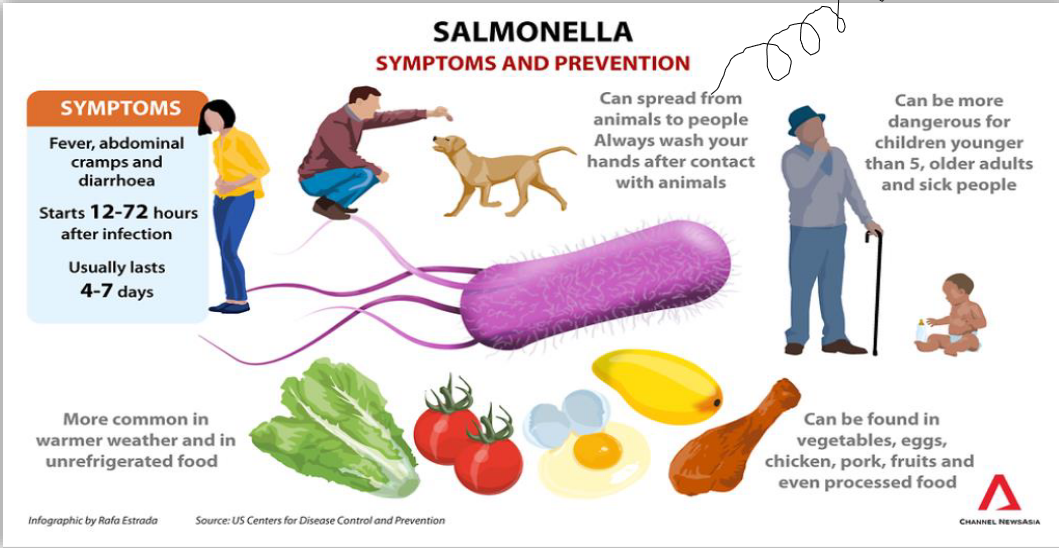
What is Salmonella?
Picture a tiny mischievous gremlin that loves to crash parties in your gut – that’s salmonella in a nutshell.
It’s a bacterium that shows up uninvited, turning a harmless lunch into a frantic sprint to the bathroom.
Most of us have heard the name, but few know how often it’s hiding in plain sight.
Must Read
Where does it hang out?
Think of supermarkets as a bustling airport; salmonella is the one luggage piece that slips through security.
It loves warm, moist spots – raw chicken, eggs, and even some fresh produce.
Even the most pristine salad can be the sneaky carrier if a rogue leaf got a tiny brush with contamination.
How does it make its grand entrance?
One careless bite of undercooked poultry and you’ve basically opened the door for a bacterial rave.
Or maybe you left a casserole out too long, giving it a sunbathing session it desperately needs.
Even cross‑contamination is a classic move – think of that cutting board that handled raw meat before you diced veggies.
The symptoms: your body’s way of sending an SOS
First comes the rumble, like a stomach trying to start a drum solo.
Next, diarrhea shows up, as if your intestines decided to host a water park.
Throw in fever, cramps, and a general feeling of “I’m not a fan of this day,” and you’ve got the full package.
When should you panic?
Most people bounce back in a week with plenty of fluids and a Netflix binge.
If you’re over 65, pregnant, or have a weakened immune system, though, the party can get out of hand.
Persistent high fever, blood in stool, or dehydration are the red‑flag fireworks you don’t want.
 LA Testing | Posters
Quick detective work: did I get salmonella?
Doctors love a good stool sample – it’s the bacterial version of a fingerprint.
They’ll also ask about recent meals, travel, and whether you kissed any poultry on the way home.
It’s not always easy, but a simple lab test can confirm the culprit.
Preventive magic tricks
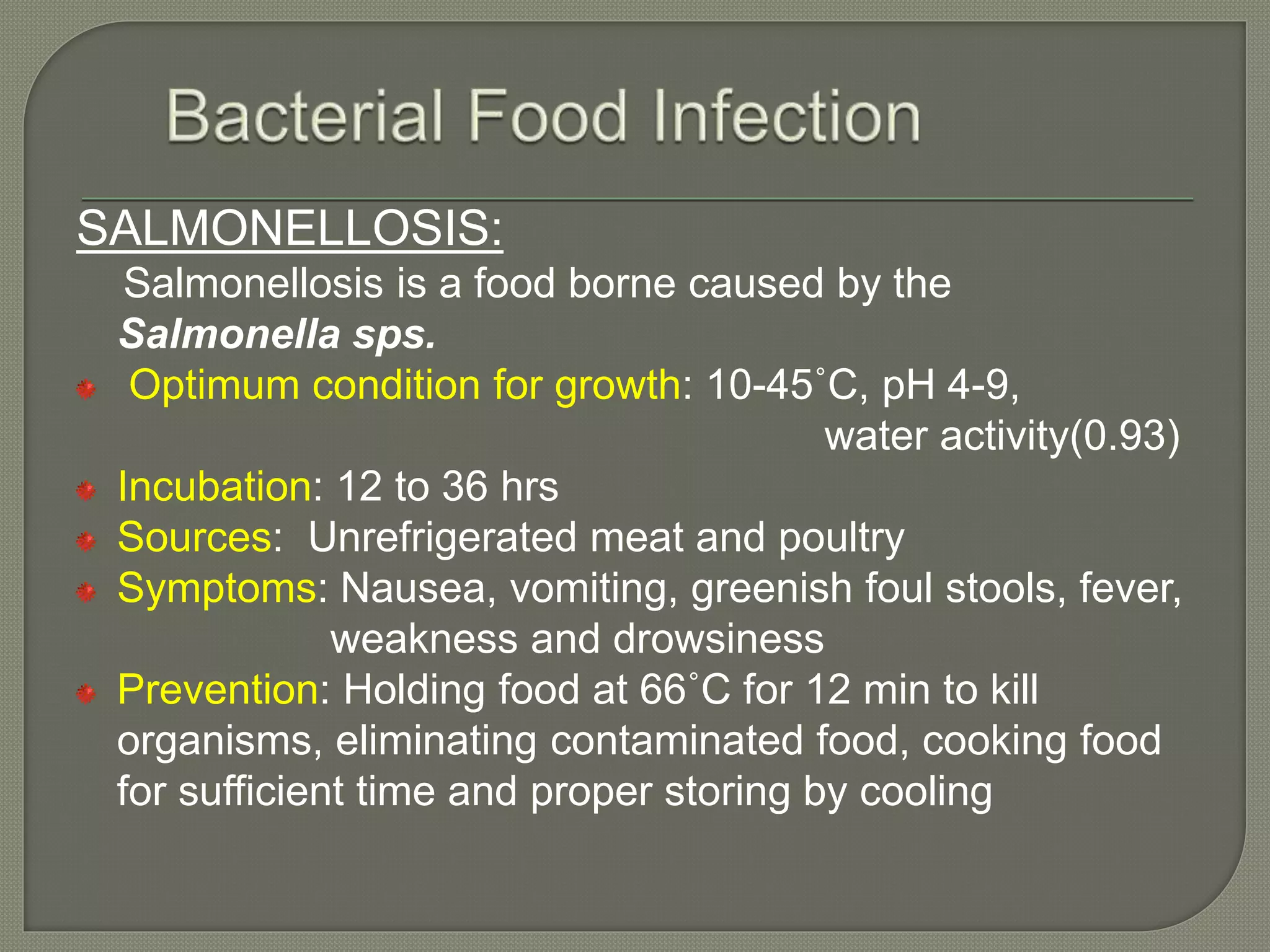
First trick: cook chicken until the juices run clear, not pink like a sunrise.
Second: keep raw meat on the bottom shelf of the fridge, away from anything you’ll eat raw.
Third: wash your hands like you’re auditioning for a hand‑soap commercial – 20 seconds, every time.
The egg‑cellent dilemma
Eggs are a breakfast staple, but they can be a sneaky carrier if you trust a cracked shell.
Cooking them until both whites and yolks are solid is the safest bet.
If you’re feeling adventurous, use pasteurized eggs for those risky recipes.
Out‑of‑the‑box foods to watch
Ready‑to‑eat salads? Check the expiration date and give them a quick rinse.
Unpasteurized dairy can be a party for salmonella – think of it as a reckless roommate.
Even smoothies can be dangerous if the blender’s been used for raw meat without a thorough clean‑up.
Travel tales and salmonella
Street food is delicious, but sometimes the vendor’s grill is more of a germ incubator.
 Food borne diseases | PPTX
When you’re abroad, stick to foods that are cooked right in front of you.
And always, always bring hand sanitizer – it’s the portable superhero of travel.
Kids and salmonella: a parental subplot
Little ones are natural explorers, tasting everything from the cat’s bowl to the backyard mud.
Teach them to wash fruit like they’re polishing a priceless gem.
And keep raw meat out of reach – kids have the uncanny ability to turn a kitchen into a science lab.
Pet pals and the bacterial shuffle
Reptiles, especially turtles, can carry salmonella on their scaly skin.
If your kid wants a turtle, enforce a strict hand‑washing rule after every cuddle.
Even good‑natured dogs can bring bacteria on their paws from a sniff‑tour of the park.
When home remedies try to steal the spotlight
Ginger tea, probiotics, and plenty of water are the supporting cast.
They won’t kick salmonella out, but they can help your body play defense better.
Remember, there’s no magic potion that replaces medical attention when symptoms worsen.
The “I’m fine” myth
Many people think they’ll just ride it out, like a bad movie that ends early.
But untreated dehydration can be as dangerous as a plot twist you didn’t see coming.
:max_bytes(150000):strip_icc()/what-is-salmonella-770636-01-14bd4f0606904ad6baa8c1c2486875be.png) How to Prevent Salmonella
How to Prevent Salmonella
Keep sipping electrolytes, and if you’re unsure, call your doctor – they’re the directors of your health.
What about antibiotics?
They’re not always the hero; some strains of salmonella are antibiotic‑resistant.
Doctors will decide if they’re needed, often after a lab confirms the species.
Self‑prescribing is like trying to edit a script without reading the whole storyline.
Recovering like a champion
Rest is your body’s way of saying “I need a commercial break.”
Gentle foods – bananas, rice, toast – are the supporting actors that won’t upset the stomach.
Gradually reintroduce your favorite meals once the storm subsides.
Long‑term outlook
Most healthy adults bounce back without a sequel.
Rarely, salmonella can cause complications like arthritis – the unwanted sequel you never wanted.
Staying aware and practicing good food hygiene keeps the sequel from ever being written.
One last friendly reminder
Think of food safety as a daily dance – a little rhythm, a little caution, and a lot of fun.
When you treat your kitchen like a stage, the unlikely guest stars (like salmonella) stay backstage.
Now go ahead, enjoy that roast chicken, but remember to give it a proper encore of heat before the curtains rise.
